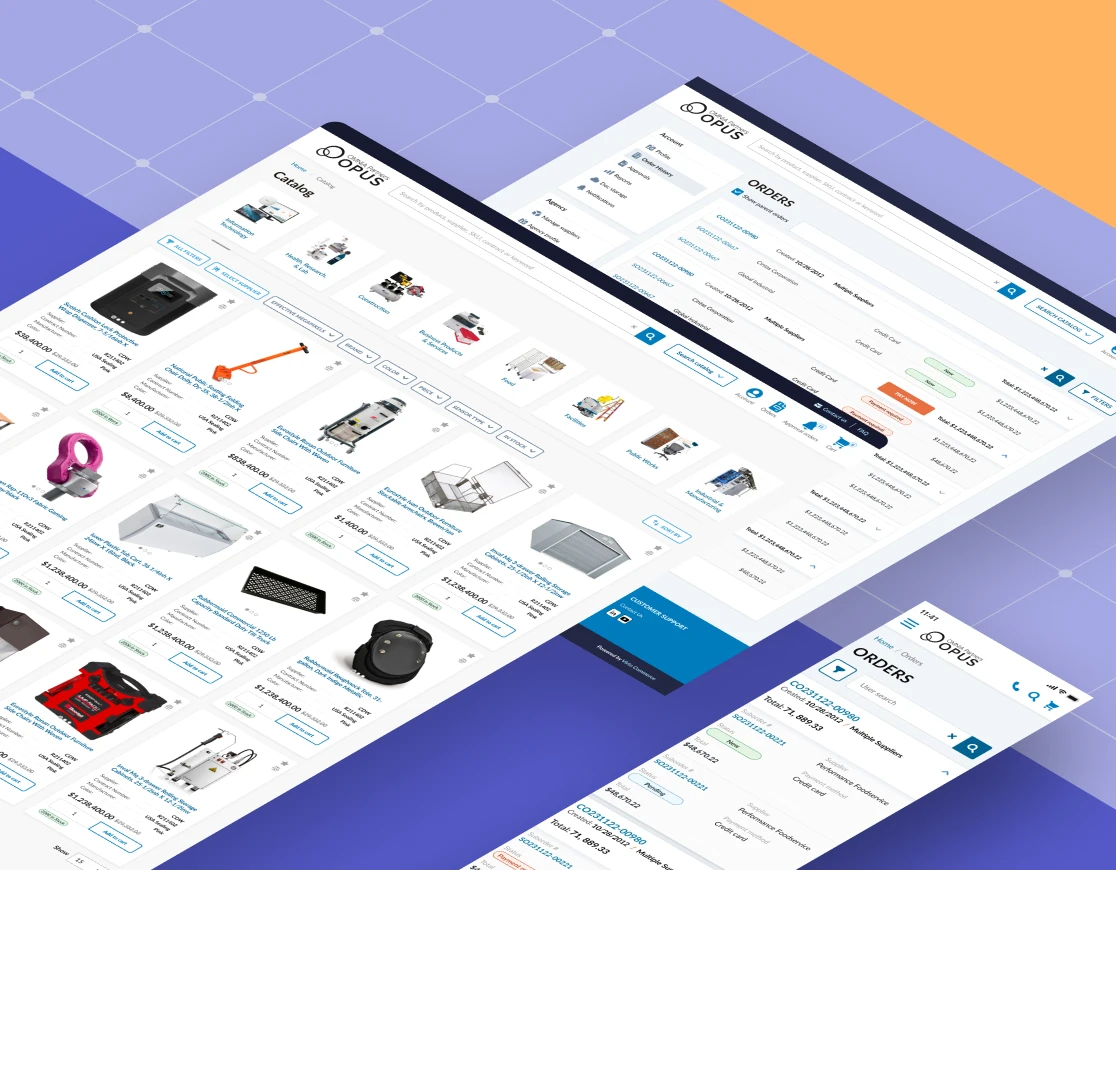
ERP Integrations for B2B Ecommerce
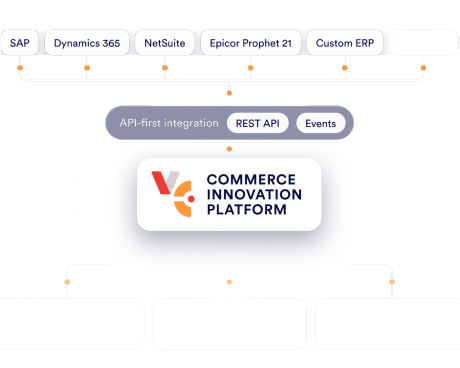
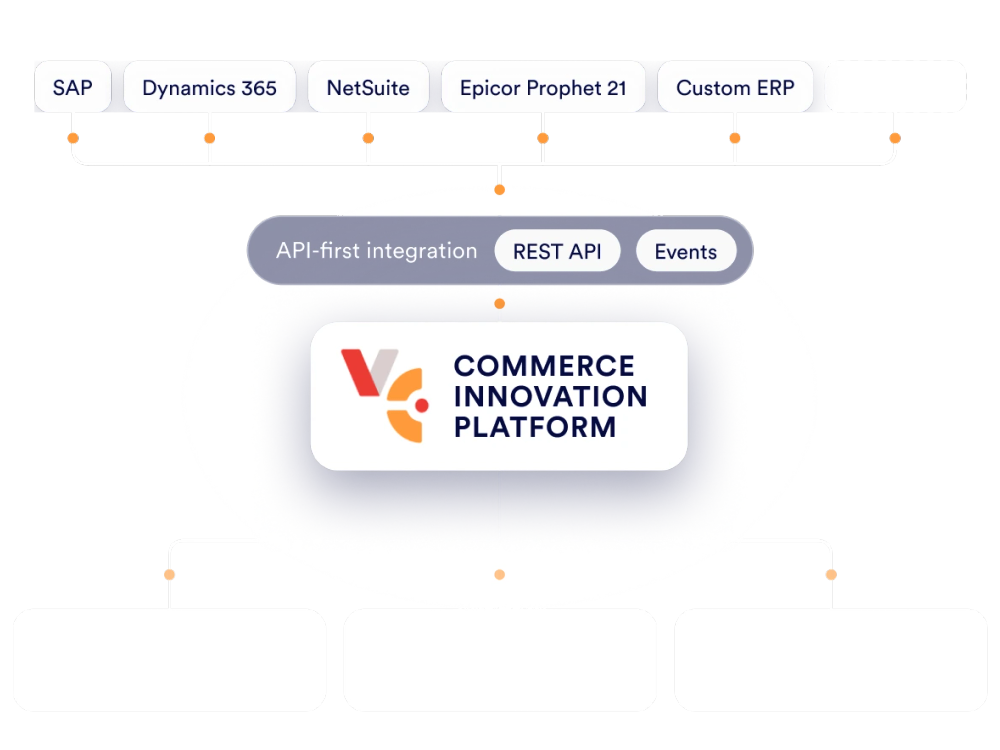
Which ERP Do You Run?
 SAP
 Microsoft Dynamics 365
 Oracle NetSuite
 Epicor Prophet 21
 Custom ERP
 Legacy ERP
Don’t see your ERP listed? Infor, Oracle Fusion, Oracle E-Business Suite, IFS, QAD and others connect too, through a direct API or with a Solution Partner who can scope the right path.
How Virto’s ERP Integration Works
API-first
A direct connection to Virto's core APIs, built and maintained in-house. Once synced, that ERP data reaches the buyer through Virto's commerce APIs, including xOrder and xCatalog.
Middleware & iPaaS
MuleSoft, Boomi or Azure Integration Services absorb complex or multi-system logic.
Integration accelerators
Pre-built patterns for common ERP-commerce pairings, shortening the build.
In every case, the ERP stays the system of record. Virto reads and writes to it, it doesn’t replace it.
How to Choose an ERP Integration Approach
The choice between direct API, middleware and an accelerator depends on how complex your business logic is and how many systems you’re connecting.
Direct API
Middleware / iPaaS
Accelerator
What Syncs Across Every ERP
Regardless of which ERP you run, the same data moves across the integration.
Pricing
Contract and customer-specific prices
Inventory
Stock levels across multiple warehouses
Orders
Order placement back into the ERP
Accounts
Account hierarchies and credit terms
Fulfillment
Order and shipment status back to the buyer
Use Cases
Launch a B2B self-service portal on top of your ERP
Buyers place orders and check pricing online instead of calling or emailing your team.
Fewer manual orders, faster turnaround for buyers.
Support multi-location and multi-subsidiary commerce
Each subsidiary’s pricing, inventory and credit terms stay accurate without separate storefronts.
One platform instead of one per subsidiary.
Modernize commerce without replacing the ERP
Upgrade the buying experience while the ERP keeps running the business behind it.
A modern storefront without an ERP migration project.
Live on Virto Commerce
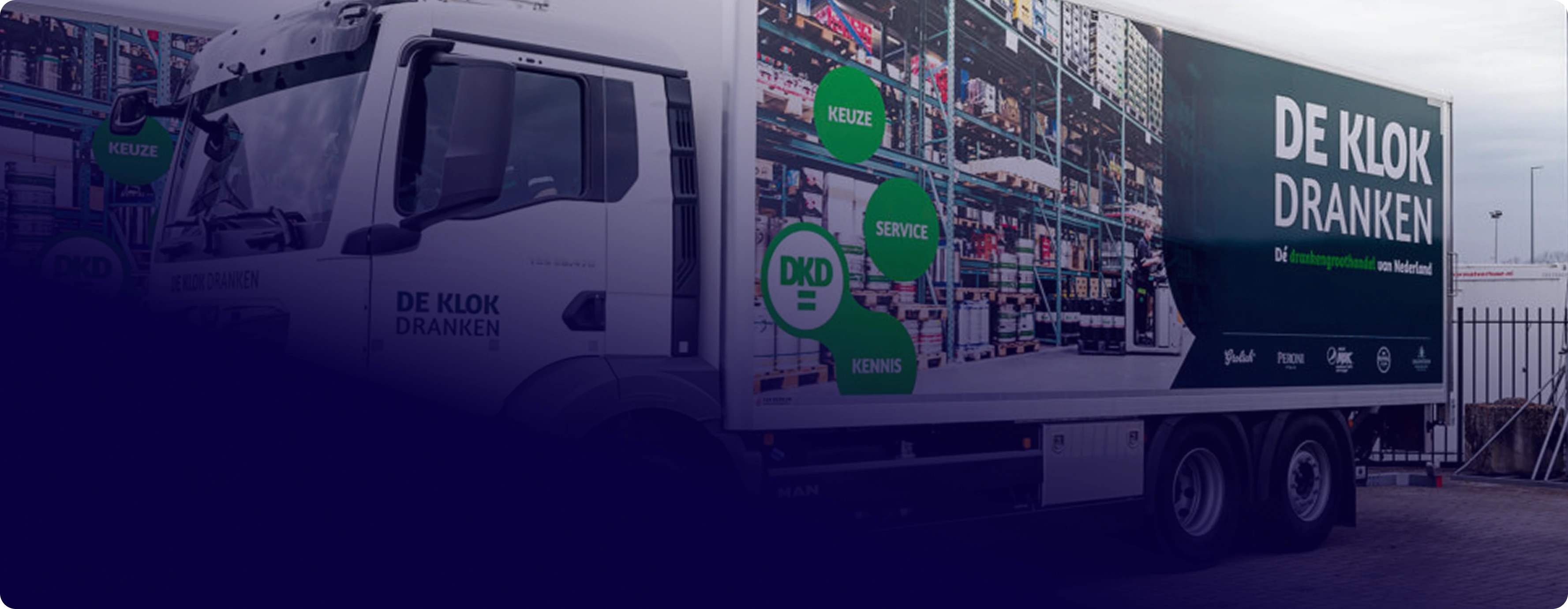
Digital adoption across 4,000+ B2B customers and 5 redistribution centers, running on SAP.

Global B2B commerce across 25+ countries and 370K users on a single adaptable foundation with 250+ integrated systems.
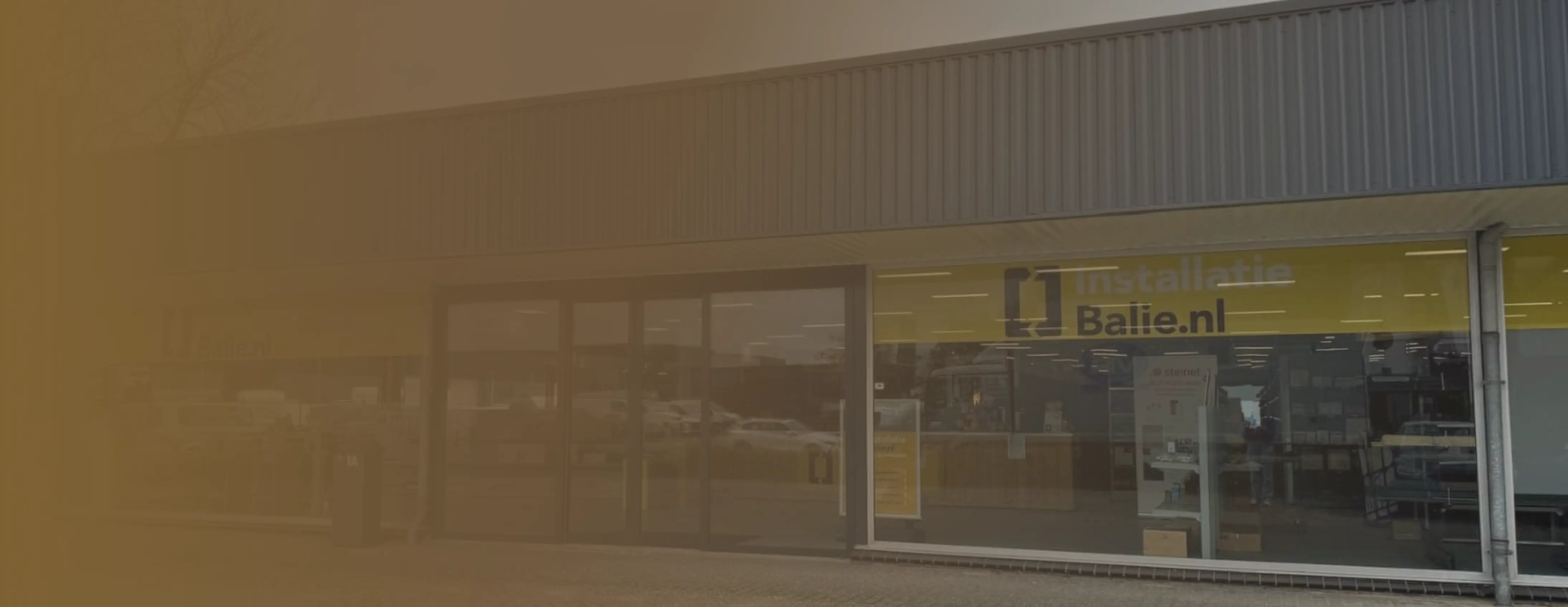
MVP delivered across 4 storefronts, with real-time inventory and pricing pulled from Microsoft Dynamics 365.
Your Questions, Answered
Connect your ERP. Keep improving the buying experience around it