



Virto B2B Commerce PlatformThe B2B ecommerce platform for large catalogs, contract pricing, and account hierarchies





What You Get with Virto B2B Commerce Platform
Modernize in Stages
Your first version can be live in as little as three weeks, composed of 100+ pre-built modules rather than built from scratch. Add new capabilities one at a time, without pausing sales.
Native B2B Selling
Contract pricing, quotes, tiered pricing, and approval workflows are built in.
Built for Change
Replace one capability while the business keeps trading, and leave everything else as it is.
See the Platform in a Guided Demo
A PDF, an emailed order, or a photo of a
handwritten sheet becomes a cart or quote
request, mapped to your catalog and ready
for review.
Predictable Total
Cost of Ownership
Cost of Ownership
Switch on only the modules you need, see the source code on GitHub, and keep development and maintenance costs predictable.
Recognition and Scale
Virto Commerce was named a Sample Vendor in the 2026 Gartner® Hype Cycle™ for Digital Commerce and included in Forrester's Commerce Solutions Landscape, Q1 2026.
Gartner and Hype Cycle are trademarks of Gartner, Inc. and/or its affiliates.
Virto Cloud

Built for How You Sell
Virto Commerce runs manufacturing, distribution, wholesale, marketplace, multinational and multi-channel selling on one B2B ecommerce platform.
-
Learn More →
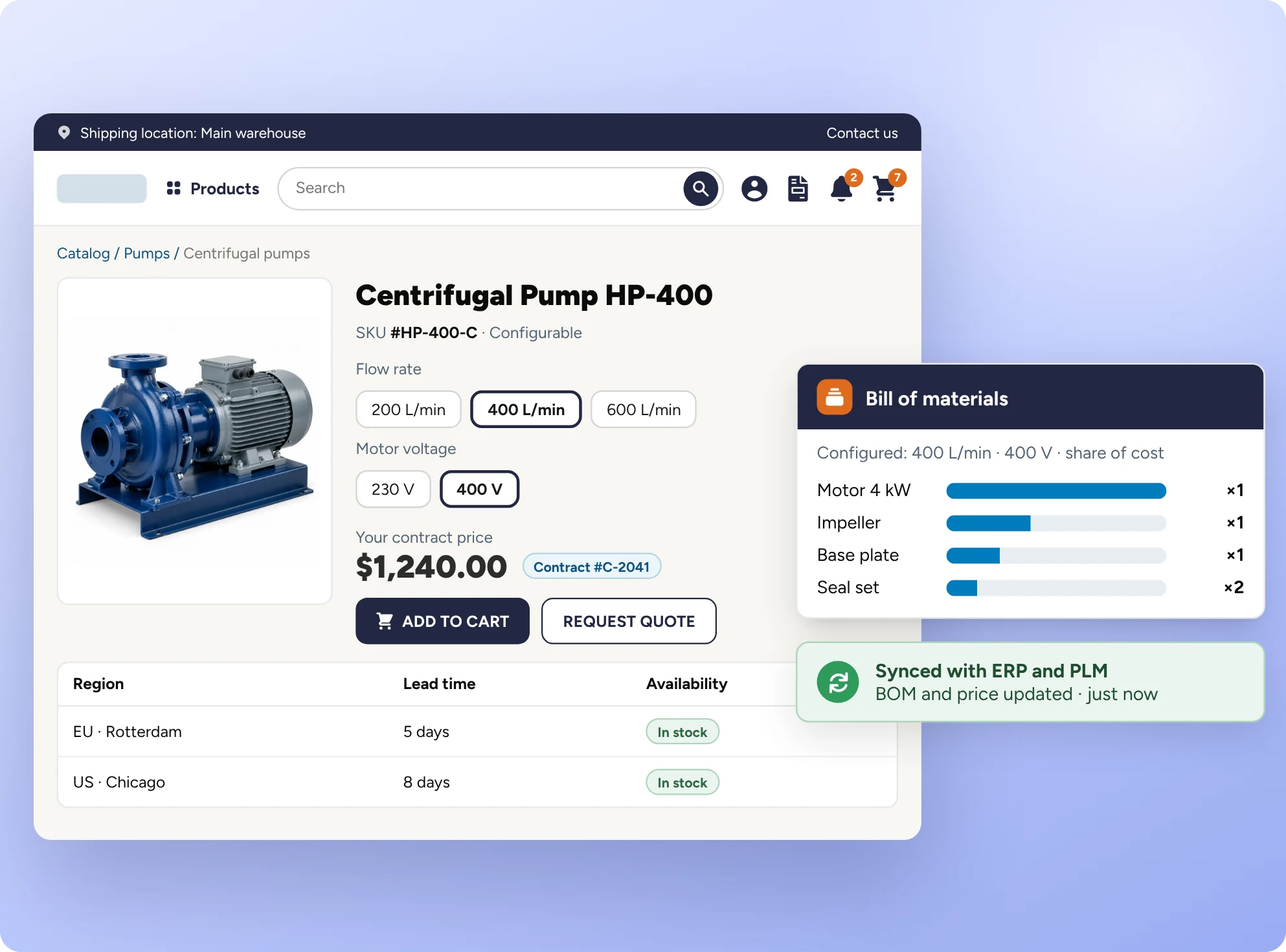
Sell configurable products directly to buyers across regions, with BOMs and contract pricing connected to your ERP and PLM.
-
Learn More →
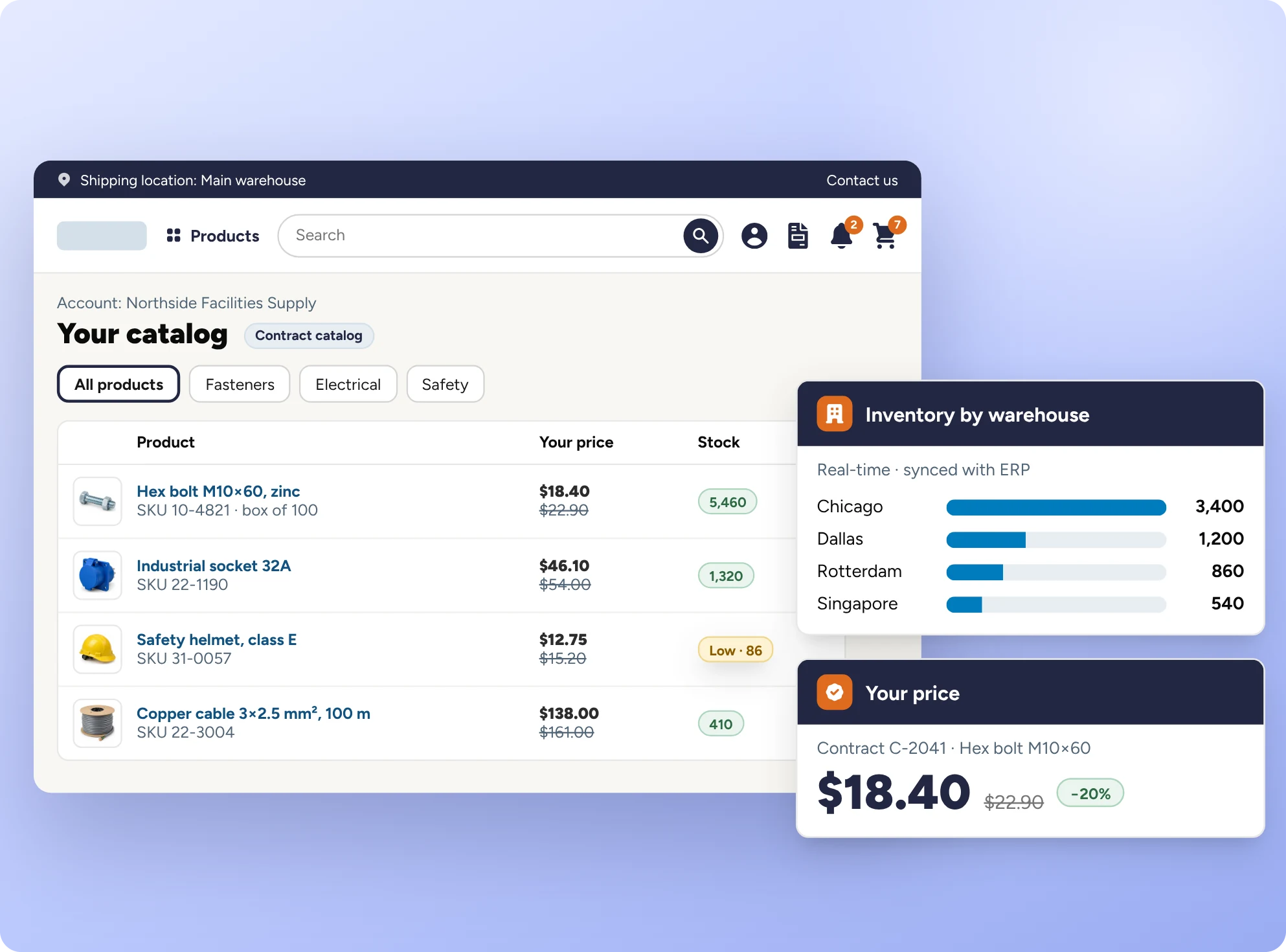
Give each account its contract-based catalog and customer-specific pricing, with real-time inventory across every warehouse and region.
-
Learn More →
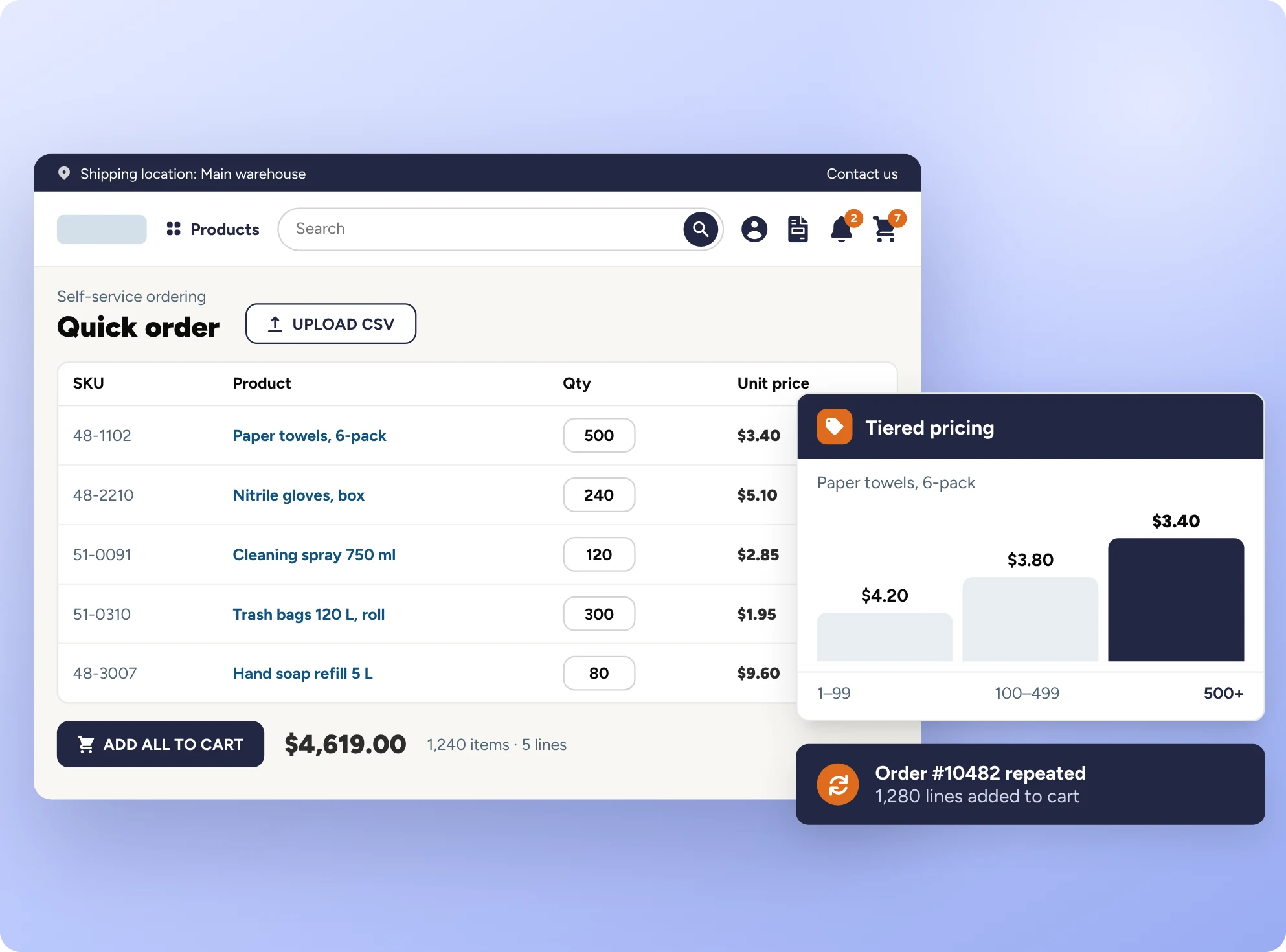
Handle millions of SKUs, tiered pricing and bulk orders, and let buyers reorder through self-service.
-
Learn More →
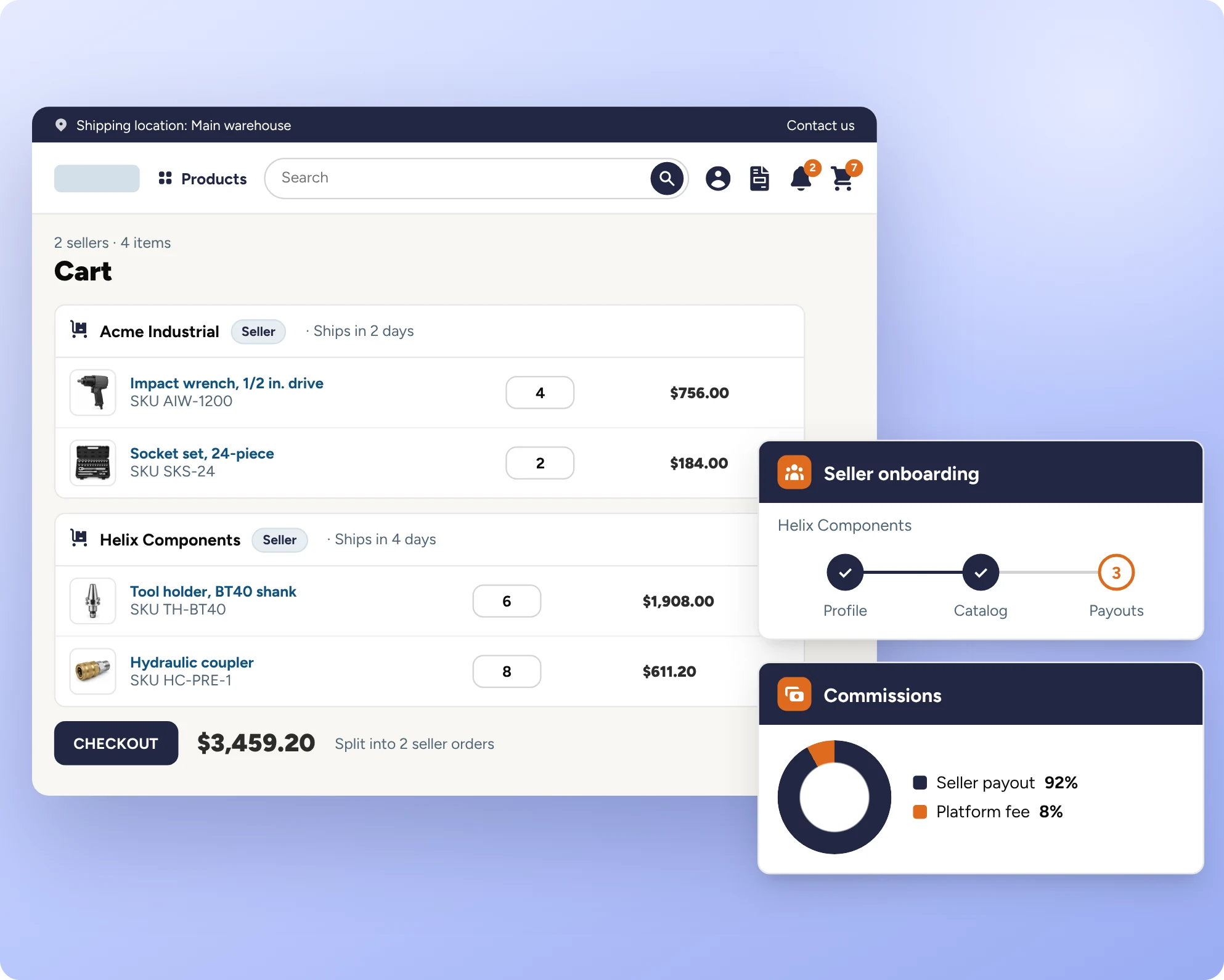
Launch multi-vendor marketplaces with seller onboarding, split carts, commissions, and vendor-specific pricing.
-
Learn More →
Run B2B ecommerce across countries and regions, with region-specific deployments, local compliance and shared core services.
-
Learn More →
Orders placed online, in store, by your sales team or through partners arrive in one place, so your buyers see the same prices, stock and order history whichever way they buy.
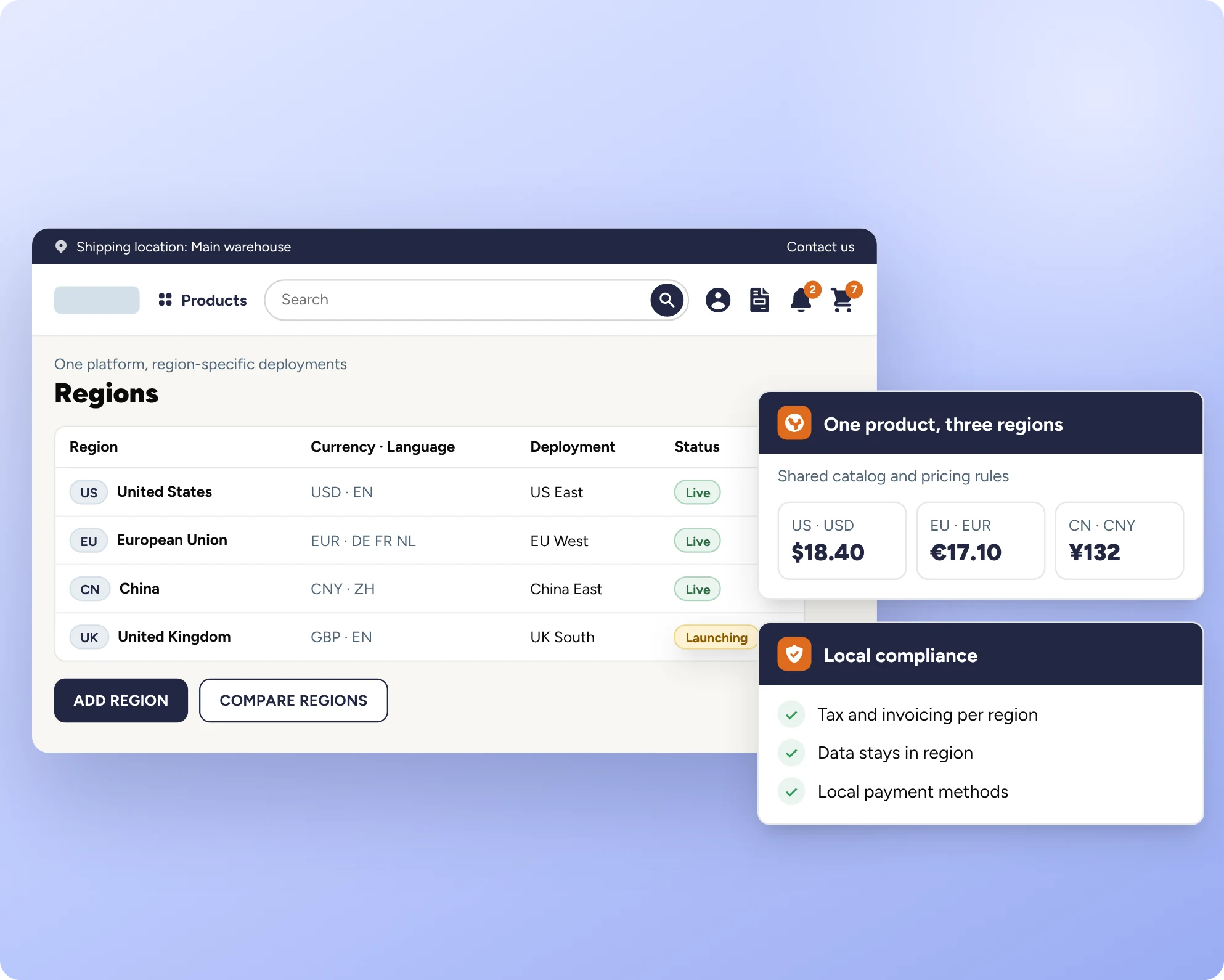
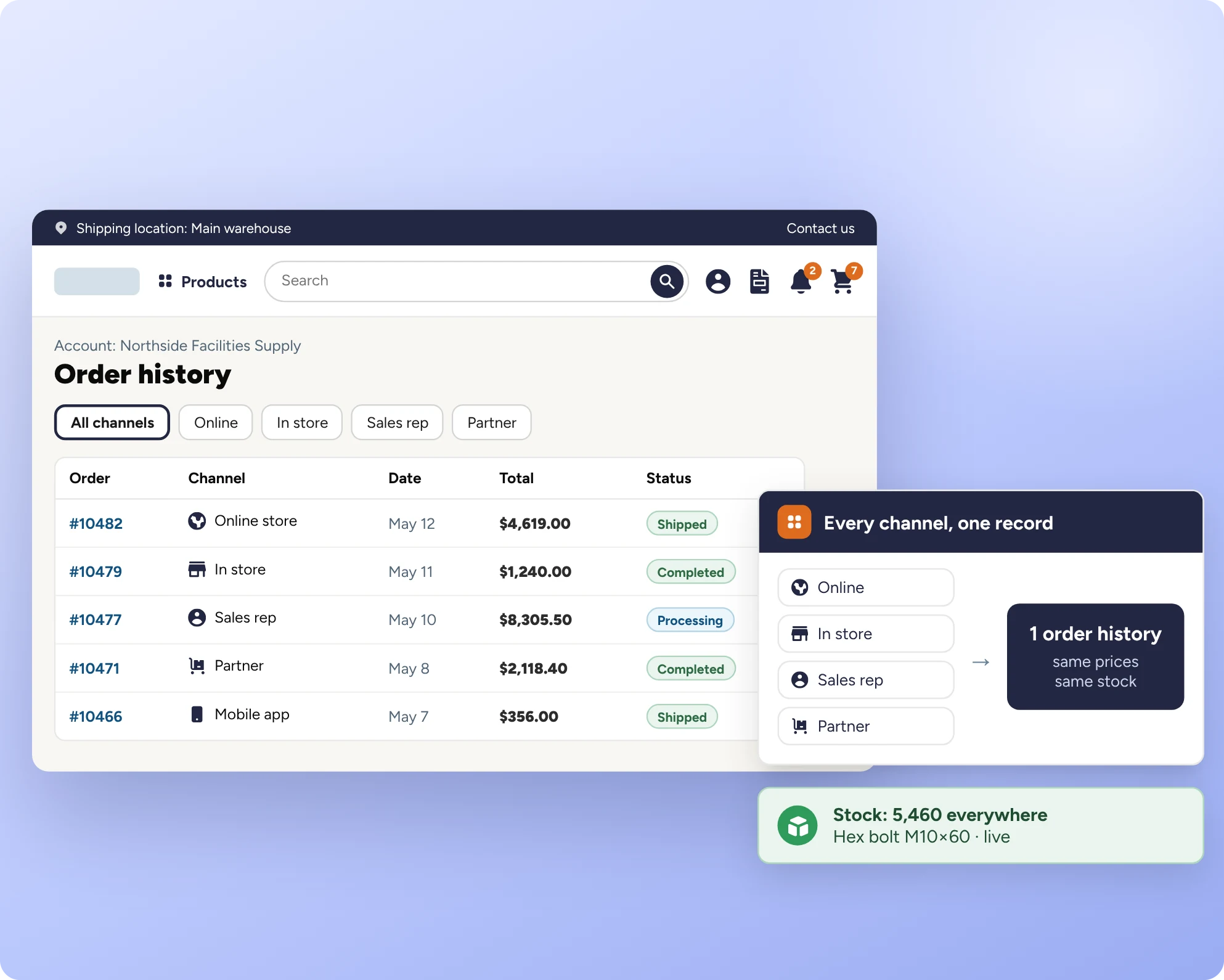
Designed for B2B Sales Operations
Customer-Specific Catalogs and Pricing
Give each account its own catalog with contract, tiered, and negotiated prices.
Large and Configurable Catalogs
Manage large catalogs and configurable products in one place.
Self-Service Ordering
Buyers reorder, place bulk orders, and check order history and invoices on their own.
Account Hierarchies and Roles
Model multi-organization buying with the permissions each role needs.
Quotes and Approvals
Let buyers request quotes and move orders through approval steps that match how they buy.
Start from the core, add what you need
A managed composable platform, built on Virto Atomic Architecture™
Under every Virto Commerce product is one platform that keeps working while you change it, and doesn’t get harder to change as you go.
Built on Microsoft .NET
A native .NET commerce platform, designed for Microsoft enterprise environments.
Our implementation of composable architecture: capabilities organized in four tiers, from single functions up to 100+ pre-built modules and the business-ready bundles built from them.
Cloud-Agnostic
Runs on Virto Cloud by default, where we run the infrastructure and apply platform updates. You can also self-manage it on your own cloud, a private cloud or on-premises, on the same tested releases.
API-First and Headless
Every capability, from catalog and pricing to orders and workflows, is exposed through APIs by design, and the storefront is decoupled from the commerce engine.
Architecture Guidelines for the Commerce Innovation Platform
How B2B Sellers Run on Virto Commerce
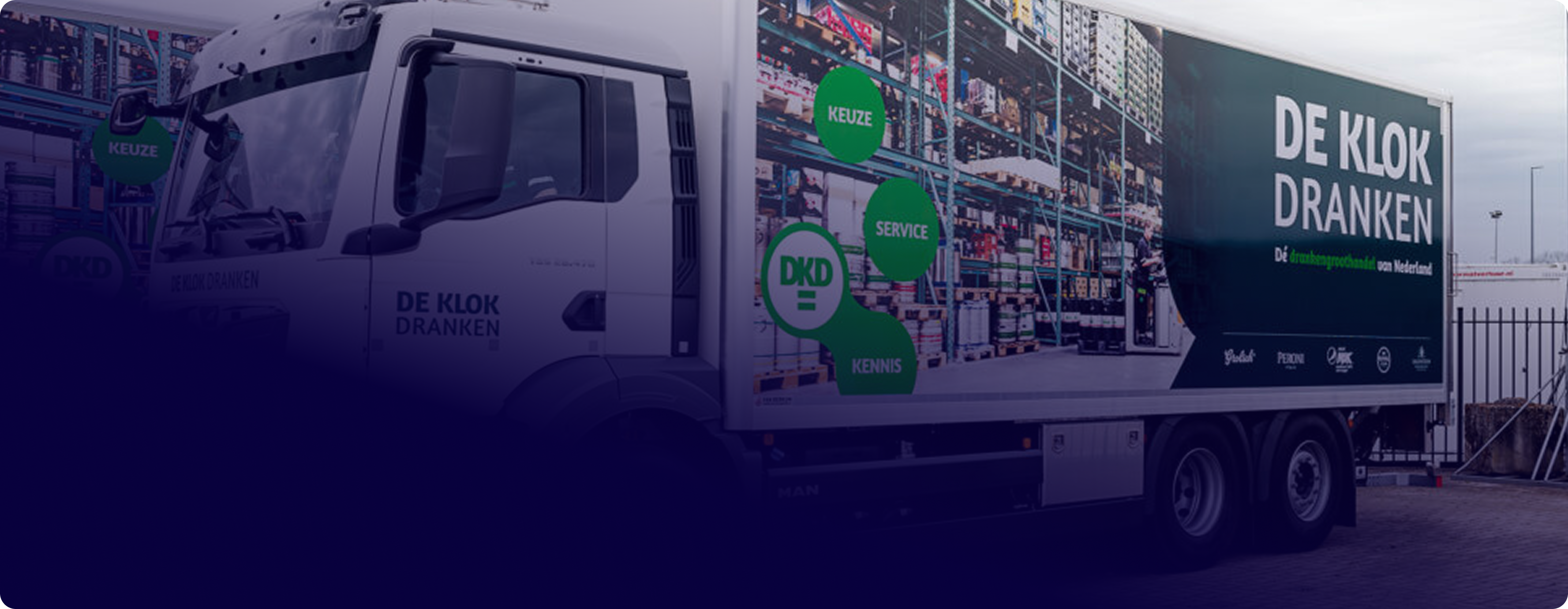
De Klok Dranken moved off Adobe Commerce, integrated its new stack in three weeks, and now serves 4,000+ clients on it.
Royal Brass & Hose launched its first self-service B2B channel in 10 months and grew online sales 11%.

Notions Marketing cut order time from 2–4 hours to about 5 minutes with self-service.
Your Questions, Answered
Virto B2B Commerce Platform is B2B ecommerce software that manufacturers, distributors, and wholesalers use to run customer-specific catalogs and pricing, account hierarchies, quotes, approvals, and self-service ordering as one system.
The Commerce Innovation Platform from Virto Commerce lets you choose both what you run and where you run it. Turn on ready-made business capabilities, such as catalog, pricing, and orders, rather than building them. Then deploy each part, back end and storefront included, in the region and cloud that fit your scalability, performance, and compliance needs, so less has to be rebuilt as those needs change.
Virto Commerce vs BigCommerce B2B Edition
Virto is a better fit for: contract and approval workflows, deep ERP integration, business rules that match how you already sell, .NET teams, and full access to the platform source.
BigCommerce is a better fit for: fast SaaS deployment and a minimal technical team.
Virto Commerce vs Adobe Commerce (Magento)
Virto is a better fit for: parts you can change, scale, or replace one at a time, a storefront you can redesign without touching the commerce rules underneath, hosting that scales with trading peaks, .NET teams, and predictable long-term TCO.
Adobe is a better fit for: PHP teams and a larger agency ecosystem.
Virto Commerce vs Shopify Plus
Virto is a better fit for: large catalogs, negotiated pricing across multiple entities, deep customization you control, adding a channel or a system without building a new back end, and multi-warehouse operations.
Shopify is a better fit for: B2C + simple B2B scenarios and fastest time-to-market.
Virto is a better fit for: B2B and B2B2C models, capabilities you switch on and replace one at a time, deep ERP and back-office integration, .NET teams, and predictable long-term TCO.
Salesforce is a better fit for: enterprises already fully embedded in the Salesforce ecosystem and prioritizing CRM-led commerce with managed SaaS.
Virto Commerce vs commercetools
Virto is a better fit for: built-in product information, content, order, and media management running wherever you need it, and B2B-first features such as contracts, quotes, and tiered pricing.
commercetools is a better fit for: pure API approach and smaller SKU counts.
Virto Commerce includes product information, content and media management, so you don’t need separate tools for them. Compared with monolithic suites, it changes without heavy architecture or costly extensions. You get faster change and a predictable total cost of ownership.
Yes. We can run and maintain the platform for you in Virto Cloud, or you can deploy it yourself in your own cloud, a private cloud or on-premises. Because the choice stays with you, vendor lock-in is reduced.
Virto Commerce fits if you have: fast-growing catalogs; several customer segments on different pricing; deep ERP and back-office integrations; multi-warehouse or multi-region operations; a .NET team or a trusted implementation partner.
A lighter SaaS platform fits if you have: a small catalog; basic B2B or B2C use cases.
Virto Commerce supports RFQs, negotiated contracts, PunchOut procurement and multi-warehouse order management.
No. Start with the capabilities you need most, keep your current system running alongside, and replace the rest when you’re ready.
A first version can launch in as little as three weeks when you compose it from pre-built modules and accelerators. De Klok Dranken integrated its new commerce stack in three weeks. Timelines depend on your integrations and how much customization your business requires.
You switch on only the modules you need, a single-vendor SLA covers the platform, and in Virto Cloud we run the infrastructure and apply platform updates for you.
No. Routine reorders move online, and your reps work in the same platform, with their customers, orders and sales materials in the Sales Rep Hub.