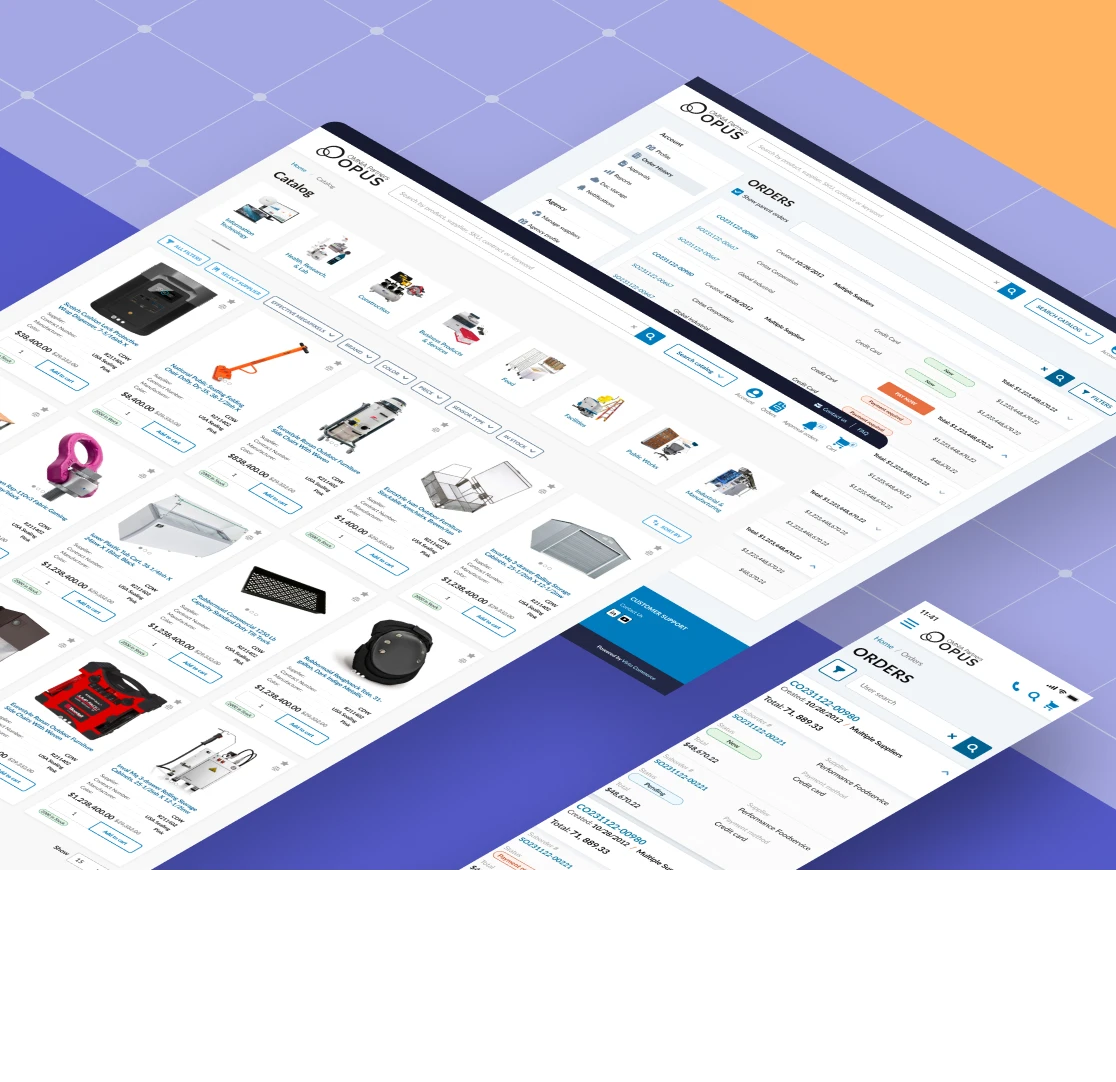


B2B Commerce for Building Materials Distributors and Dealers
Where Building Materials Ordering Breaks Down
Many branches, one ordering experience
Distributors with dozens of branches often run stock, pricing and counter orders branch by branch. Dealers call the branch they know, and stock at the next branch stays invisible to them.
One storefront that shows each account its own prices and stock across locations, with routing rules that send the order to the branch that can fill it.
Several portals, one dealer
Acquisitions and new product lines leave distributors with ordering portals that share no accounts, carts or order history. A dealer who buys from two of them logs in twice and reconciles two sets of invoices.
Each brand or business unit runs as its own storefront on one platform, sharing accounts and catalogs where you choose. Portals can move over one at a time.
Pricing that follows the account and the job
Contract prices, volume tiers and project quotes are negotiated customer by customer. When the website shows list price, buyers phone the counter instead.
Account-specific prices and catalogs, and project quotes that turn into orders once approved.
From a contractor's material list to an order
Contractors arrive with a material list for the job, a bill of materials from their estimate in a spreadsheet, a PDF or on paper. Someone at the counter keys it into the ERP line by line, and the quote waits until they have.
CSV import with product matching, copy and paste, and AI Capture for printed or handwritten lists turn the list into a cart at contract prices, ready to order or to send for a quote. Shared lists keep the job list in one place for the contractor, the site and your rep.
Ordering in the units the job needs
The same product sells by the piece, the bundle or the pallet, and contractors reorder the same lists week after week.
Units of measure per product, plus reorder from history, saved carts and templates.
Manufacturers selling through distributors and dealers
Building products manufacturers sell through distributors and dealers who each need their own terms, and sometimes sell direct to large builders as well.
Partner portals with their own catalogs, pricing and workflows, run next to direct accounts on one platform.
Capabilities Building Materials Businesses Use
Each capability is part of the Virto Commerce platform and has its own page with details and a demo.
Connected to the ERP Your Branches Run
Your ERP stays the system of record for prices, stock and orders. Virto Commerce connects to the major ERPs, and to custom or older systems through the interfaces they already have.
 SAP
SAP
 Microsoft Dynamics 365
 Oracle NetSuite
 Epicor Prophet 21
 Custom ERP
 Legacy ERP
Proven with Distributors and Trade Suppliers
Among our customers is a large US building materials supplier whose project is not public. Ask us about it in a meeting.
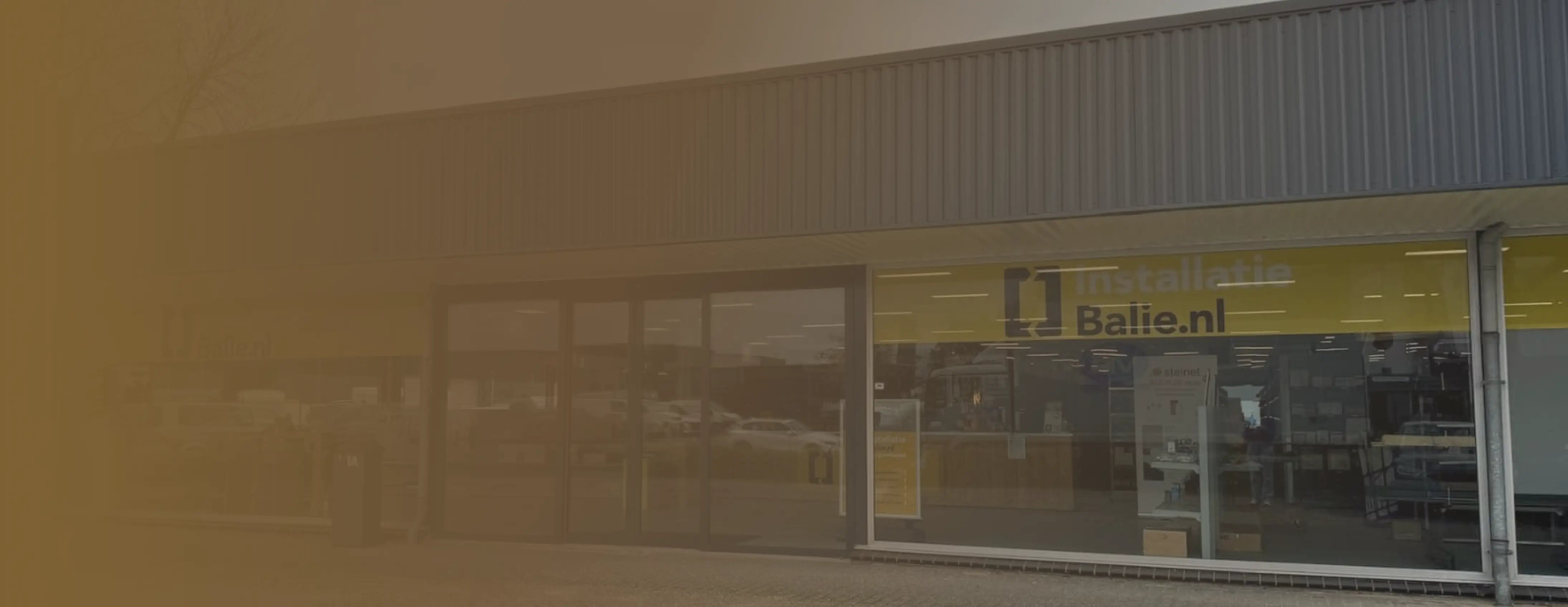
A Dutch technical wholesaler for professional installers unified its B2B and B2C storefronts, launched an MVP in 8 weeks and recovered revenue within 6 months.
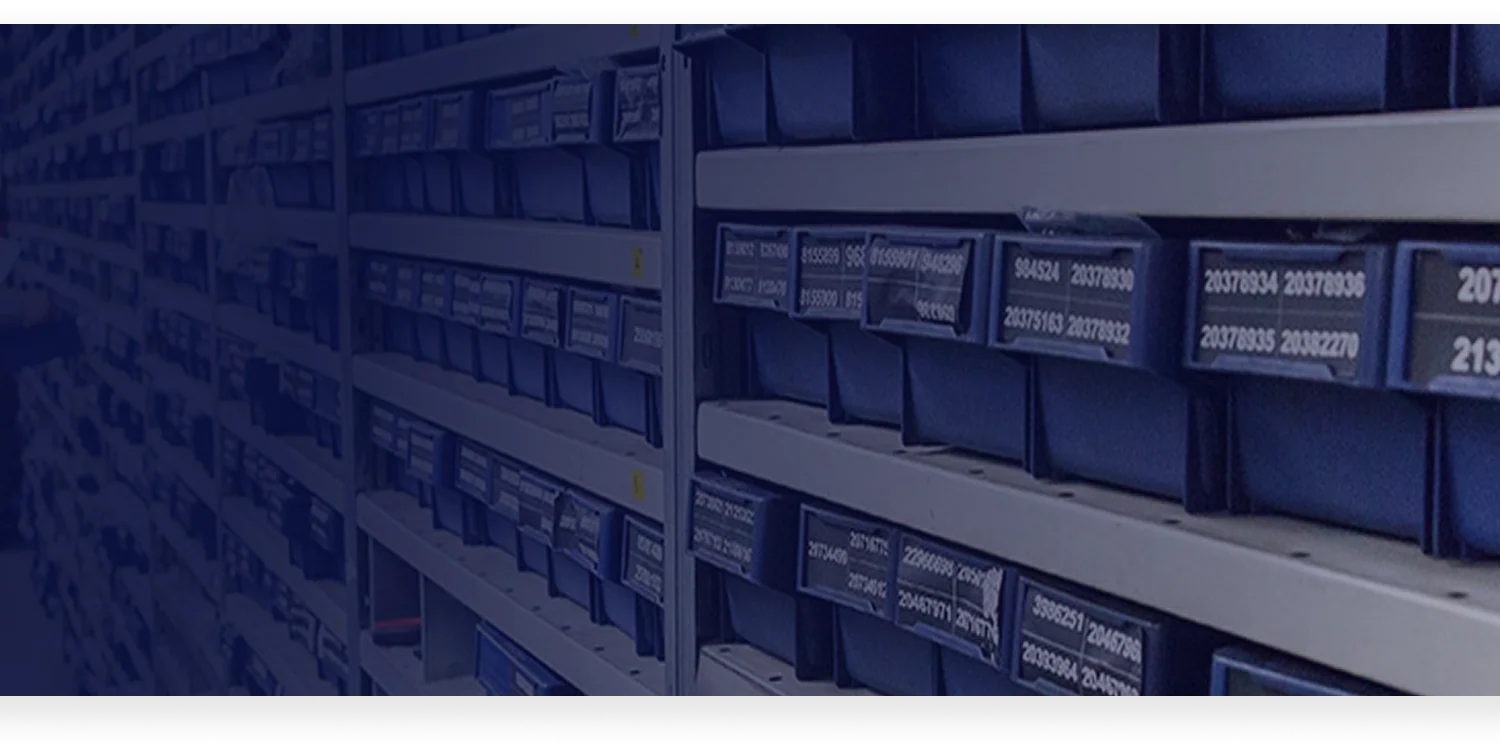
A US distributor of hydraulic and mobile-equipment parts with 11 locations launched B2B self-service in 10 months and grew online sales 11%.
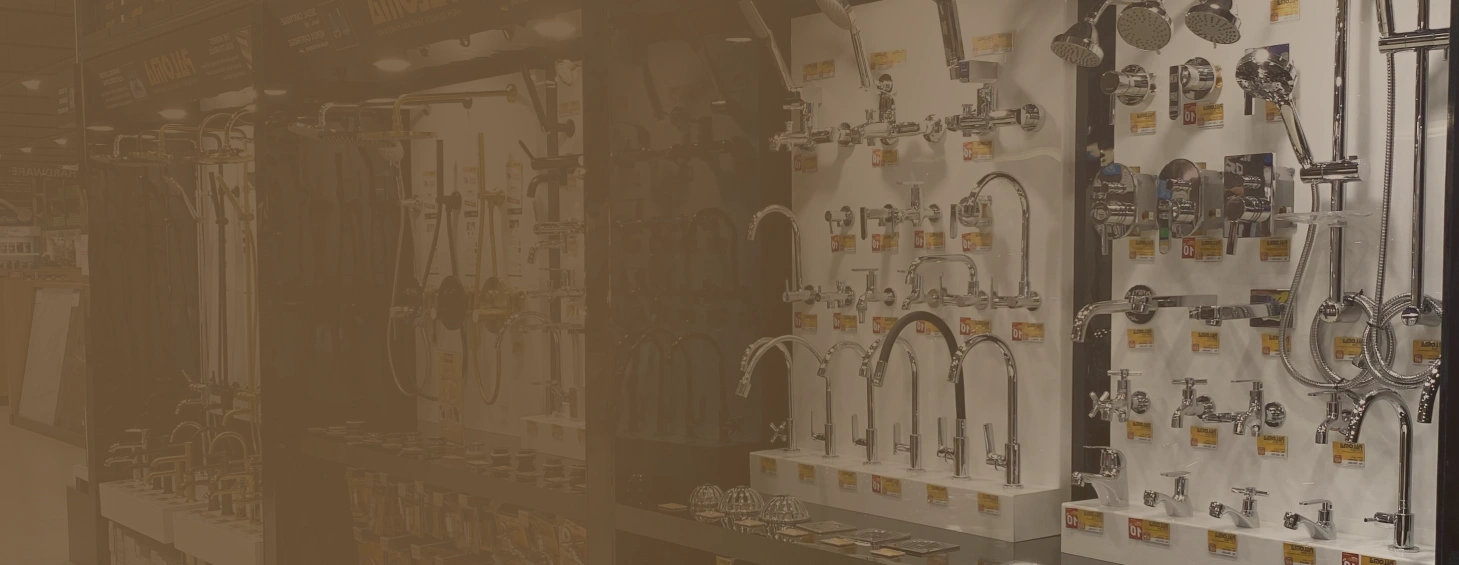
A Nordic supplier of tools and equipment for building-trade professionals runs several country channels on one shared catalog.
Building Materials Questions, Answered
It is a B2B ordering platform built around how building materials are sold: contract prices per account, quotes for project material lists, stock by branch, units such as pieces, bundles and pallets, and a live connection to the ERP that holds prices and inventory. Contractors, builders and dealers use it to order and reorder online instead of calling the counter.
Yes. A large US building materials supplier runs on Virto Commerce; the project is not public, so we cannot name the company, but we can walk you through it in a meeting. Our published cases in adjacent trades include InstallatieBalie, a technical wholesaler for professional installers, and Proffsmagasinet, a supplier of tools and equipment for building-trade professionals.
Yes. Your ERP stays the system of record for prices, stock and orders, and Virto Commerce keeps the storefront in sync with it. Besides SAP, Microsoft Dynamics 365, Oracle NetSuite and Epicor Prophet 21, we connect to custom and older ERPs through the interfaces they already have.
Yes. Prices, catalogs and terms are set per account, and stock is tracked across warehouses and branches with routing rules for where an order ships from. A contractor sees their contract price, not the list price.
They can run on one platform as separate storefronts, each with its own brand, catalog and pricing, while sharing accounts and order history where you choose. You can move one portal at a time instead of switching everything over at once.
It depends on scope and integrations. InstallatieBalie, a technical wholesaler for installers, launched its MVP in 8 weeks; Royal Brass & Hose, a distributor with 11 locations, launched in 10 months.
Planning online ordering for your branches and dealers?
Tell us how your accounts, branches and pricing work today, and we will show you how they would run on Virto Commerce.