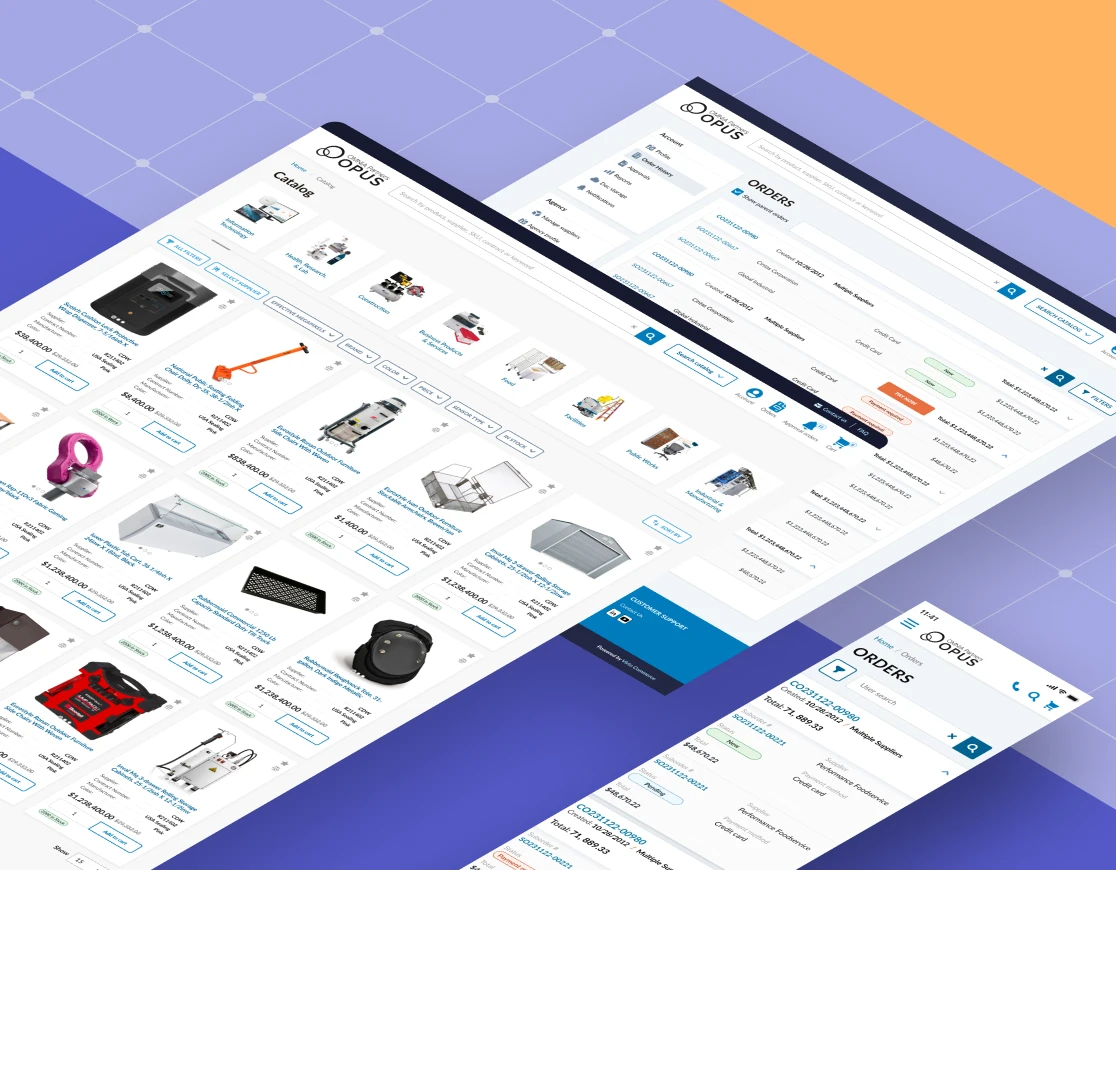
B2B Commerce Platform for the Automotive Parts Aftermarket
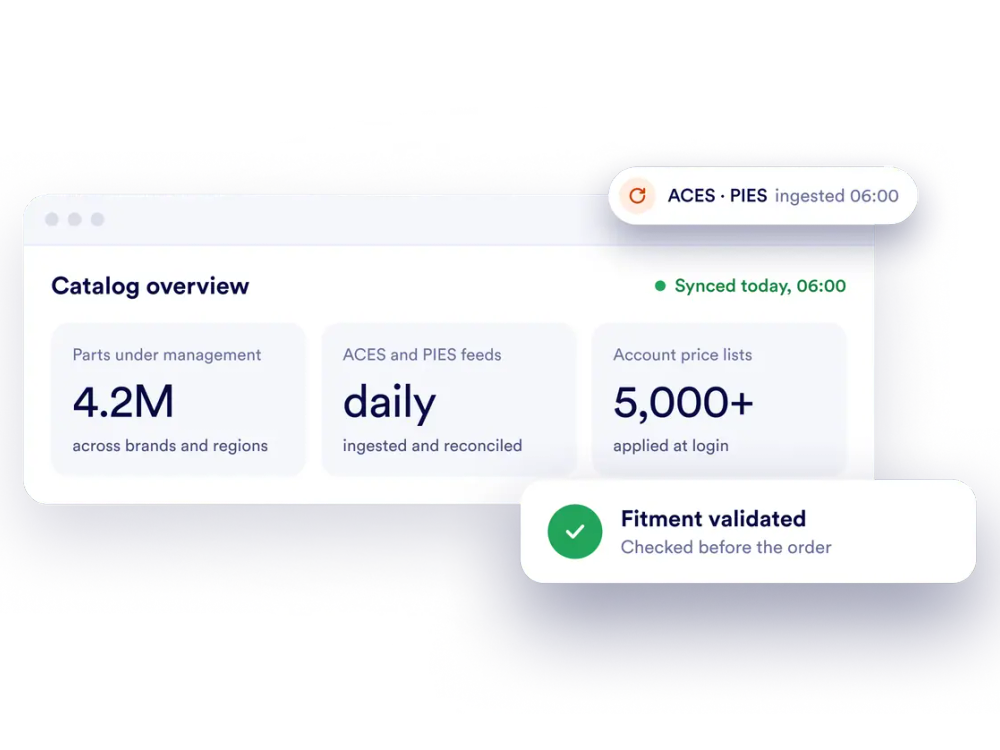
Proven in Automotive Parts Distribution
KW Parts, a distributor of American vehicle parts, runs a catalog of more than 4 million products for over 5,000 B2B customers across approximately 40 European countries on Virto Commerce. The same backend also supports the Cadillac Europe consumer storefront.
KW Parts runs on TecDoc in Europe; in North America the accelerator supports the ACES/PIES model through Reveation Labs. One foundation, whichever standard your market trades on — which is the difference between a platform and an automotive point solution built for a single standard.
Where most parts distributors start
Most parts distributors built their online ordering around the ERP, one integration at a time. It works, but fitment data is spread across supplier files and separate systems, and a catalog of hundreds of thousands, or millions, of parts now has to adapt to new standards.
Rebuilding the same architecture every time a standard or a channel changes is expensive and risky. The better question is how to make this the last rebuild.
What Incorrect Fitment Costs a Parts Business
A wrong part does not stop at one return. Fitment validation helps reduce wrong-fit orders before they become returns.
19.4%Returns, freight, and handling
Of parts ordered online get returned, more than clothing or housewares. Each wrong part ships twice, gets inspected, and ties up staff tracing and reissuing the order. You pay for each step.
• Source: National Retail Federation, cited by MOTOR, November 2023
~48%Marketplace listing quality
Of US online parts and accessories sales run through third-party marketplaces. Those channels rely on accurate application data, and incomplete or outdated fitment weakens how your parts are listed and found.
• Source: Hedges & Company, 2022 estimate ($18.3B of $38.1B)
Margin
Parts distribution runs on thin margins, so the cost of a few wrong orders can outweigh the profit on the account.
Customer confidence
A repair shop with a car on the lift does not reorder from the supplier who sent the wrong part.
Automotive aftermarket ecommerce accelerator powered by Virto Commerce
What Virto Commerce brings
What Reveation Labs brings
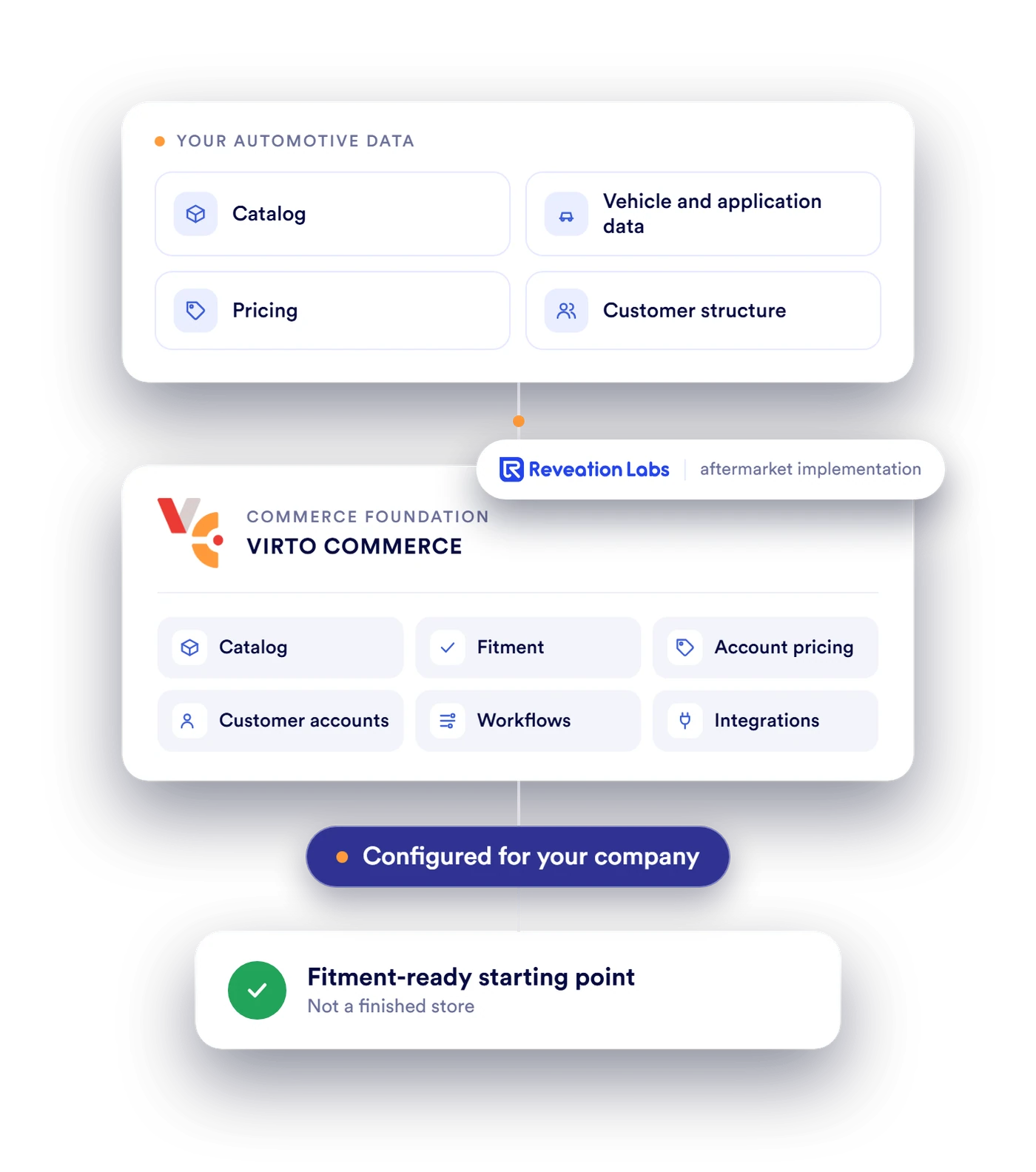
Your automotive data, Virto's commerce foundation, and Reveation's aftermarket implementation expertise.
A fitment-ready starting point, not a finished store. Each implementation is configured around the company's catalog, vehicle and application data, pricing, customer structure, workflows, and integrations.
Built for How Parts Distributors and Manufacturers Sell
Every route to market runs on one commerce foundation, with fitment through the accelerator and account pricing shared across all of them.
Multi-market parts distributors
Run every country, brand, and account catalog from one back office, and modernize one piece at a time while daily ordering keeps running.
Regional distributors replacing a legacy portal
Give jobbers, installers, and repair shops self-service they actually use: their prices, their terms, and their order history at login. Your team spends its time on the accounts that need it.
Parts manufacturers and brands
Publish structured product data once and support digital sales through distributors and installers, on the same foundation your distributor customers buy on.
Distributors adding a consumer or marketplace channel
Add a consumer storefront on the same backend with B2B pricing kept intact. Extend long-tail assortment through third-party sellers without carrying every product in stock.
Aftermarket Ecommerce Capabilities
What parts distributors need from a B2B platform, in one place.
-
How the accelerator works →
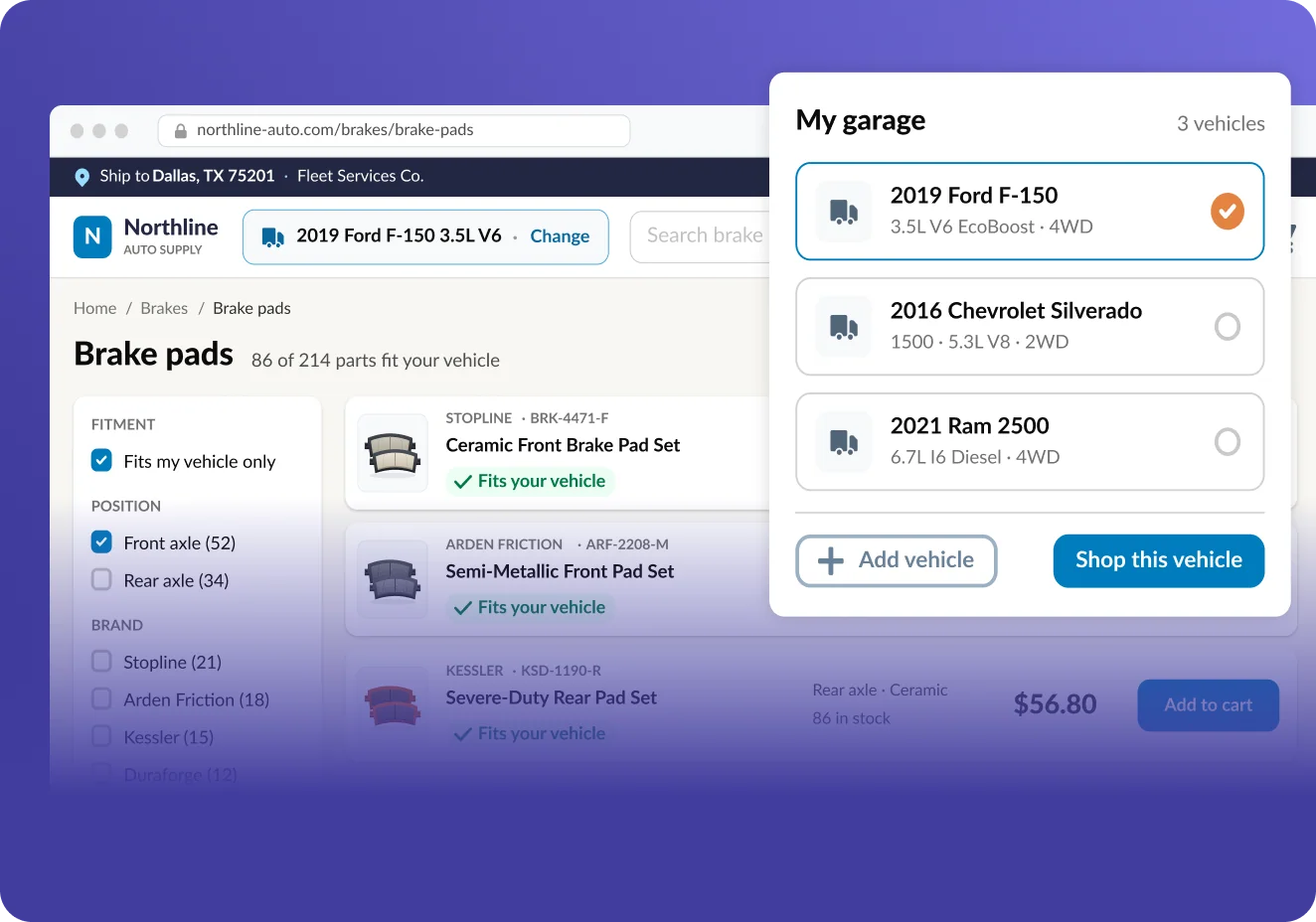
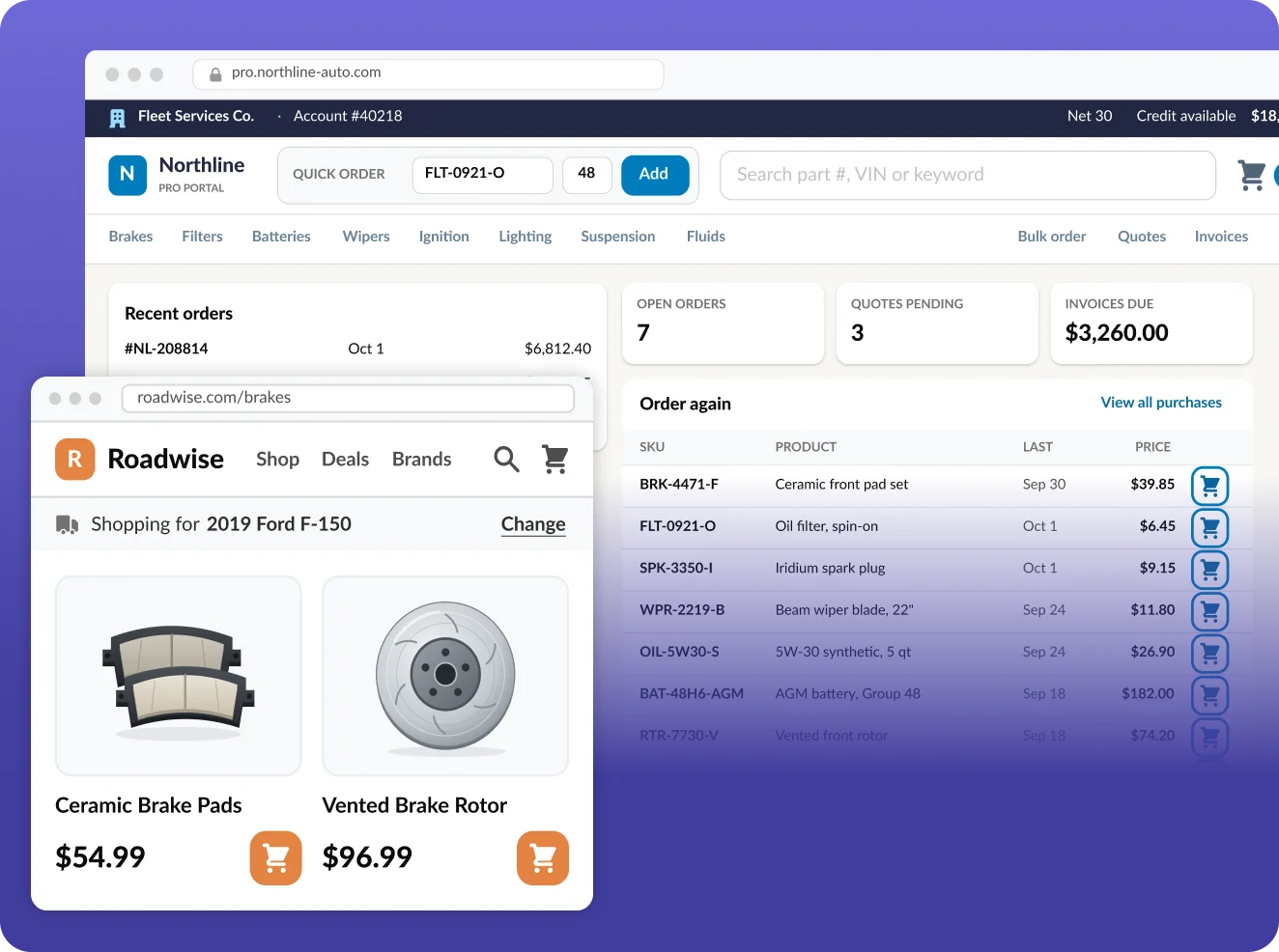
Vehicle and application context carried through search, product discovery, and compatibility checks through the accelerator.
-
Catalog and product data →
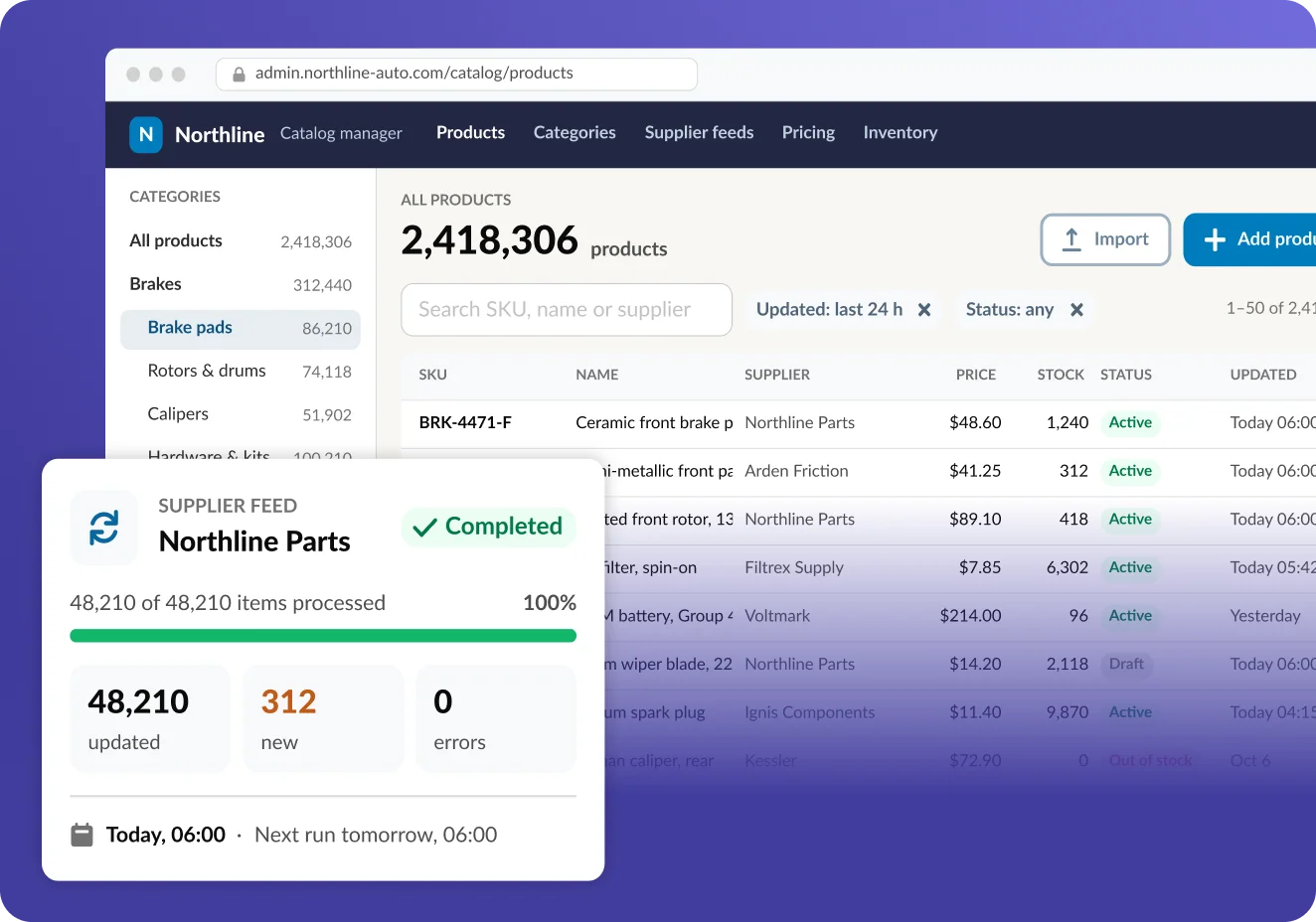
Catalog and product-data management across millions of SKUs, with frequent supplier updates.
-
Account-specific pricing →
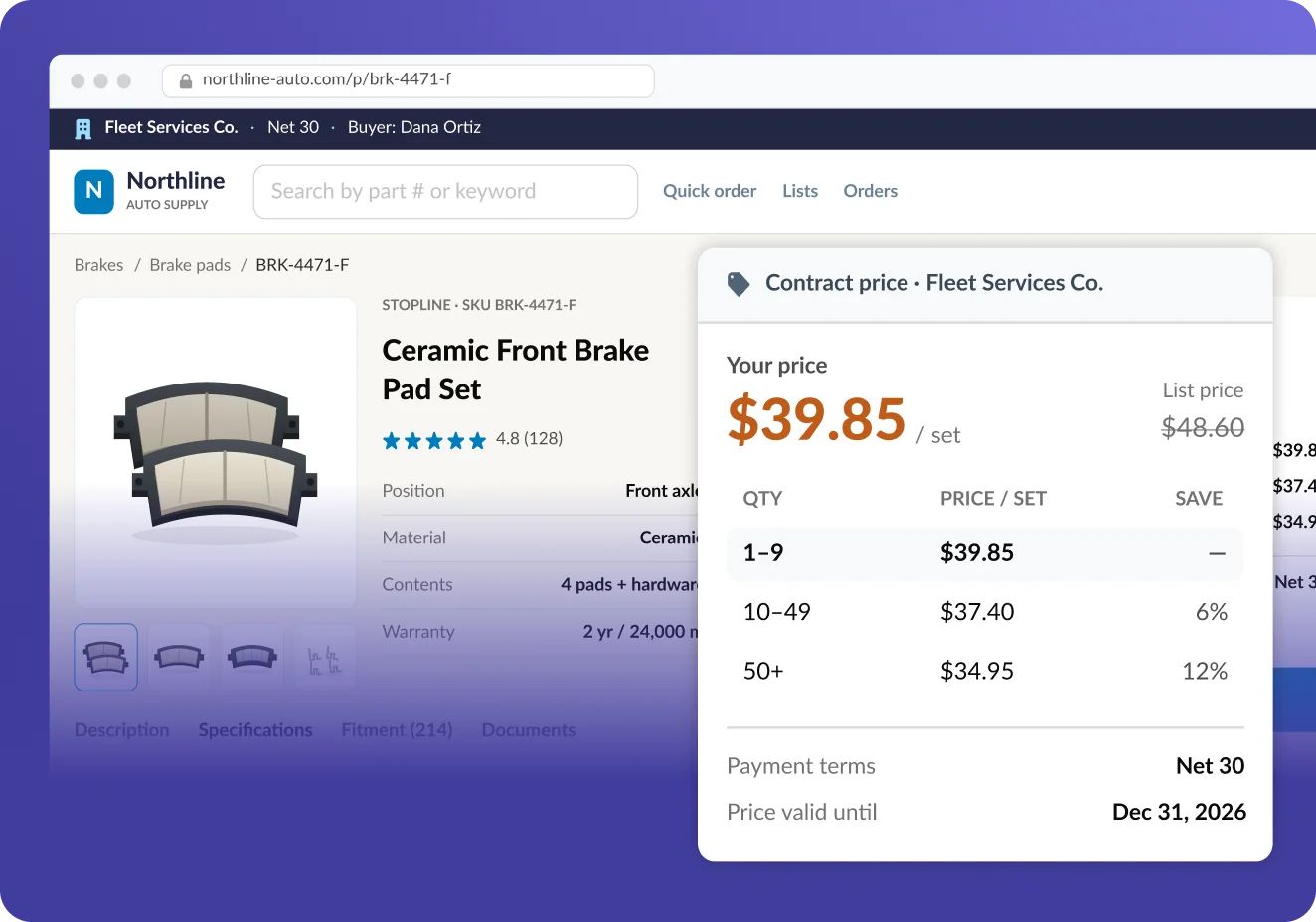
Customer-specific prices, terms, and assortments applied within the buying experience.
-
Bulk ordering →
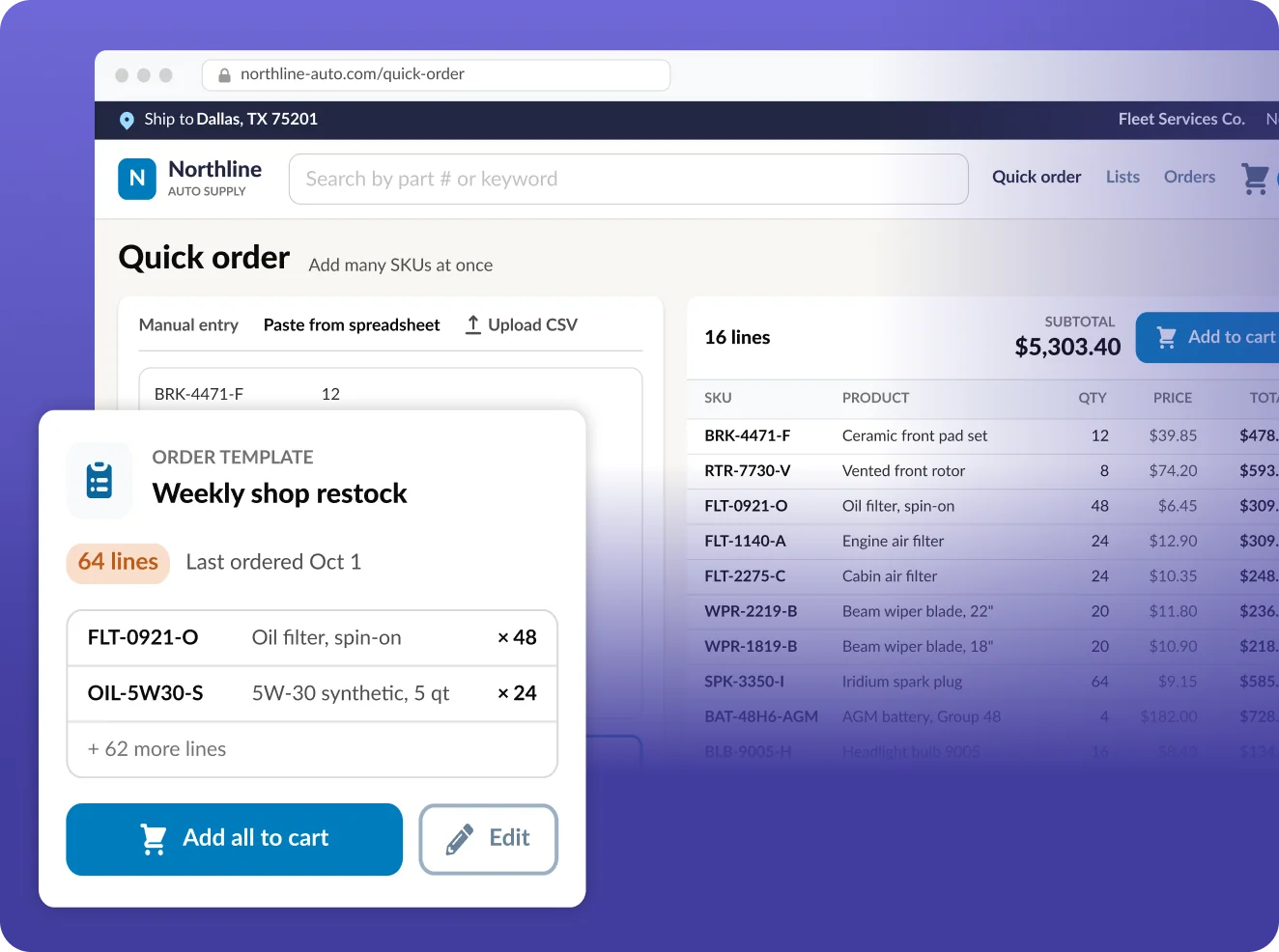
Saved lists, order templates, quick order, and high-line-count ordering.
-
ERP integration →
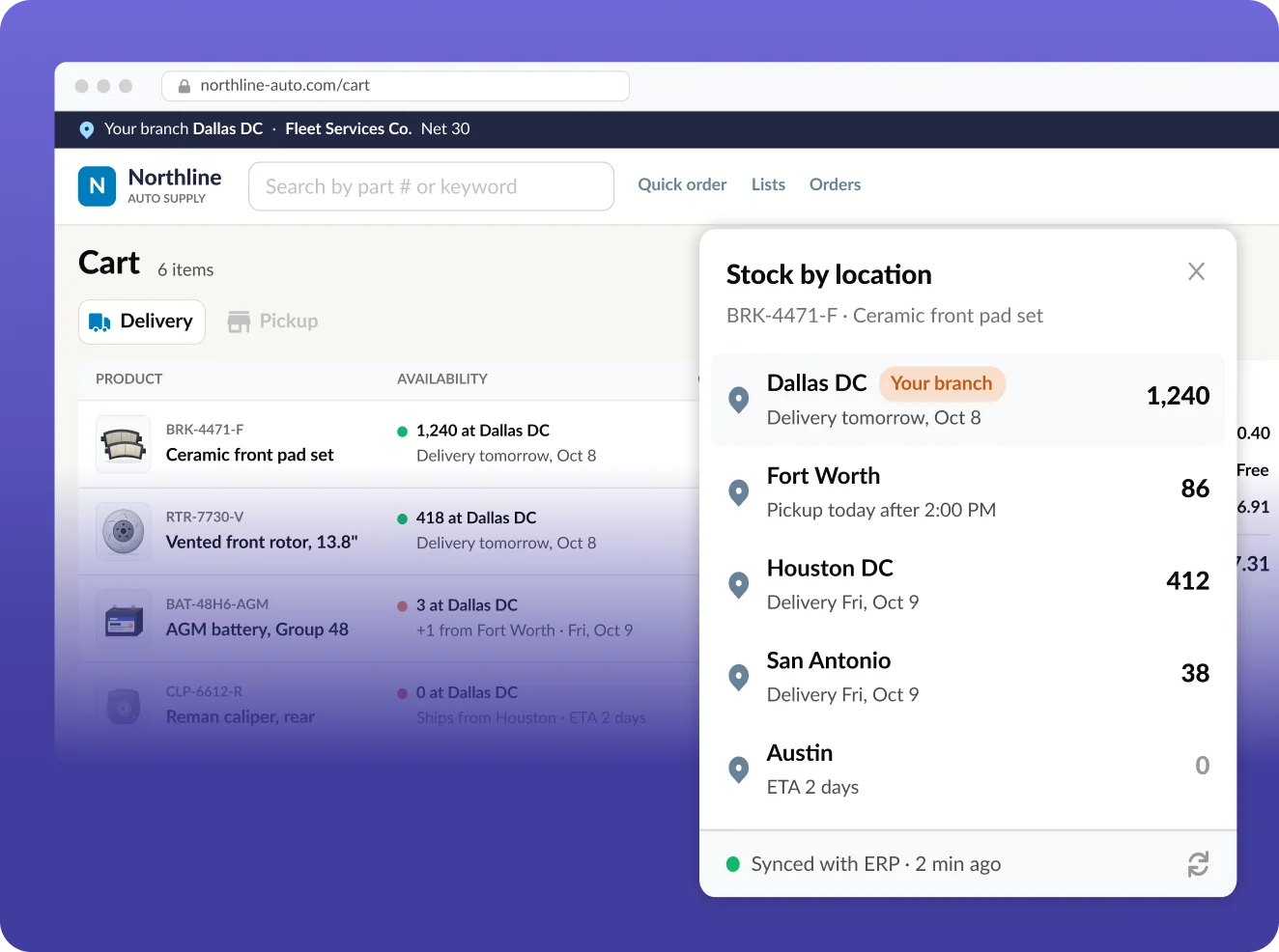
Stock across every branch and warehouse, with pricing and orders connected to your existing commercial systems.
-
Multi-channel commerce →
B2B and B2C experiences supported from one commerce foundation.
AI for Faster Part Search and Catalog Onboarding
AI intent search
Find products by part number, OE number, or informal terminology, then use fitment to validate compatibility.
AI product categorization
Classify and enrich incoming catalog data to accelerate product onboarding.
Virto OZ
AI agents answer buyer and staff questions on products, orders, and accounts, and take on routine catalog tasks.
Proven on Virto Commerce

A distributor of American vehicle parts runs more than 4 million products for over 5,000 B2B customers across approximately 30 countries. The Cadillac Europe storefront launched on the same backend. Integrator: Mardi Gras.
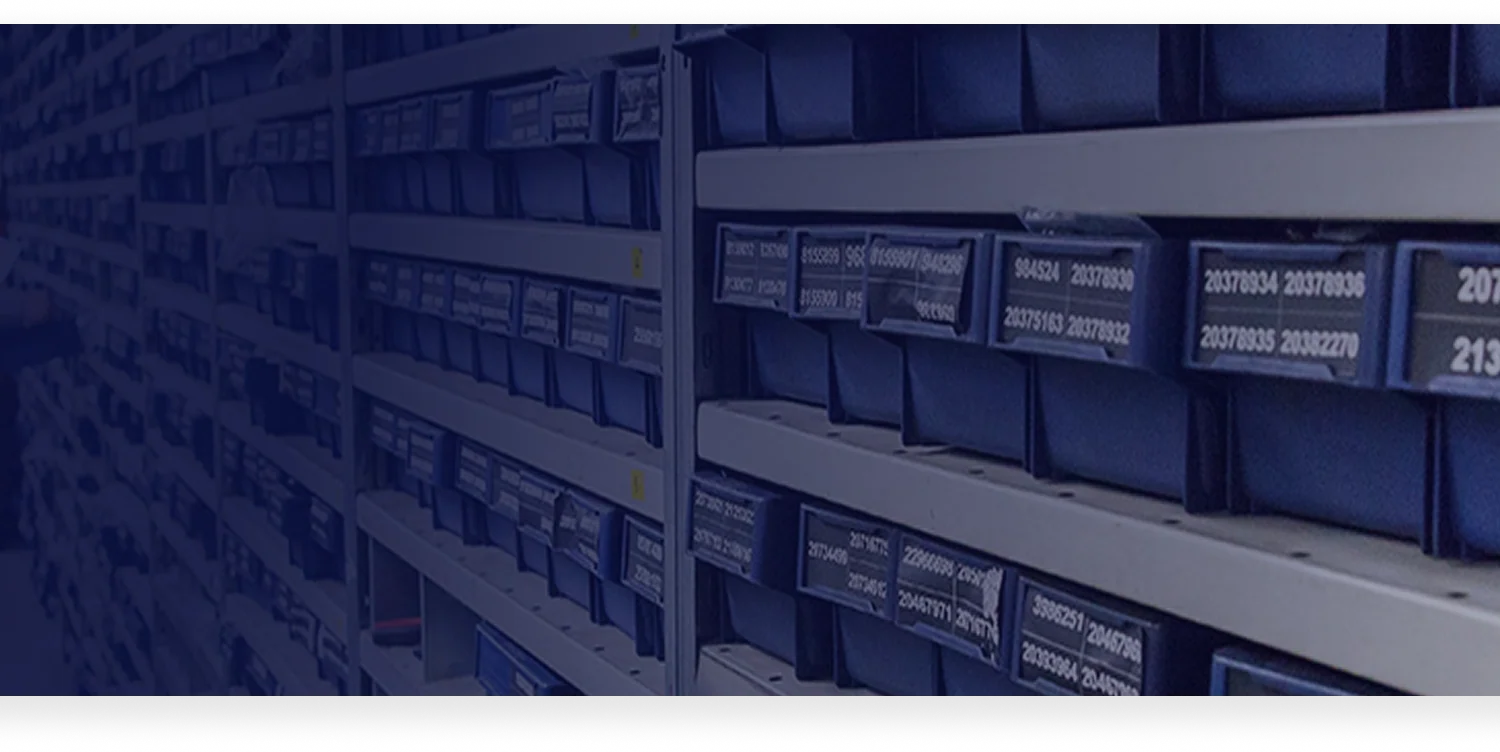
A US distributor of hydraulic and mobile-equipment parts replaced phone and counter ordering with B2B self-service. Evidence for replacing a legacy ordering model.

A cooperative purchasing marketplace serving 14,000+ US public agencies. Evidence for architecture and catalog scale only.
Technical Confidence
A source-available .NET platform that works alongside the systems you already run.
Managed Composable Architecture
Virto Atomic Architecture™ lets each capability evolve without replacing the platform. Virto maintains the module contracts and upgrades.
API-first and vendor-independent
GraphQL and REST APIs connect commerce to your systems. Commerce is not embedded in the ERP, so changes do not wait on your ERP vendor.
Existing systems remain authoritative
ERP, PIM, inventory, and application-data sources remain authoritative. Virto Commerce brings them together in the buying experience.
Security and compliance
Audit logs, role-based access control, and data-residency controls. Virto Cloud is SOC 2 Type II compliant, with its own attestation.
See How the Platform is Built
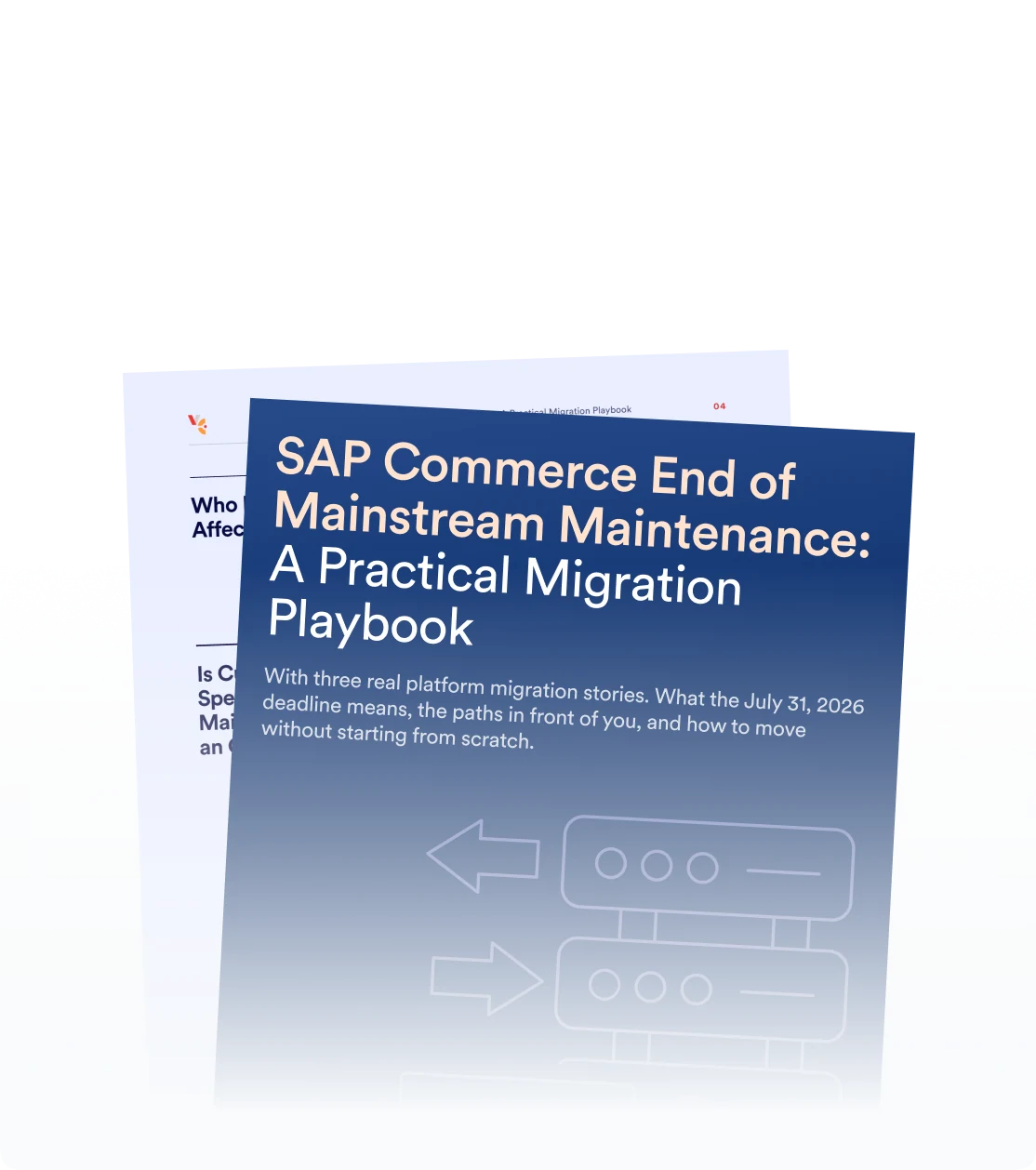
How Aftermarket Parts Businesses Modernize B2B Commerce With ACES 5.0 and PIES 8.0
A practical look at automotive parts commerce, customer examples, standards migration, and a framework for assessing whether your current platform can support what comes next.
✓ What ACES 5.0 and PIES 8.0 change for a parts catalog
✓ How distributors sequence a migration without stopping daily ordering
✓ A framework for assessing your current platform
Your Questions, Answered
It is the software parts distributors use to sell online to jobbers, installers, repair shops, and other trade buyers. It handles vehicle fitment, account-specific pricing, contract catalogs, bulk and repeat ordering, and stock information connected to the distributor's existing systems.
Virto Commerce brings the commerce foundation: catalog and product experiences, account-specific pricing, customer accounts, ordering, and API-first connections with your systems. Reveation Labs brings the automotive implementation layer: ACES 5.0 and PIES 8.0 standards ingestion, the ACES/PIES fitment data model, vehicle and application-data integration, and vehicle lookup and fitment validation in the buying experience.
The Auto Care Association released ACES 5.0 and PIES 8.0 in April 2026. The new versions update how vehicle application and product data are structured and exchanged between trading partners. As partners adopt them, catalogs and fitment processes built around earlier versions need to adapt. We cover the practical sequence in our guide to the ACES 5.0 / PIES 8.0 migration, and the Auto Care Association announcement has the release detail.
The same way distributors move off any monolith: one market, business unit, or channel at a time, with the ERP staying the system of record and daily ordering continuing on the existing setup until each part is ready. What changes for a parts business specifically is that catalog scale and fitment data stop being a reason to delay, because they are handled on the new foundation rather than rebuilt inside the old one. Our SAP Commerce migration playbook sets out the sequence and the customer cases, including Cadillac and KW Parts.
Yes. Your ERP and PIM remain the systems of record. Virto Commerce connects to them through APIs, so pricing, stock, product data, and orders stay consistent across the commerce experience.
No. Distributors typically move one market, business unit, or channel at a time, while daily ordering continues on the existing setup until each part is ready.
It should not. Account-specific pricing and contract catalogs mean online orders arrive on the terms your team negotiated. Self-service handles routine reorders, so representatives can focus on the accounts and deals that need them.
Yes. Distributors are the core audience, and manufacturers and brands can use the same foundation to publish structured product data and support digital sales through distributors and installers.
The automotive aftermarket ecommerce accelerator powered by Virto Commerce is a fitment-ready starting architecture for B2B parts ecommerce, implemented with Reveation Labs. It is not a separate SaaS product or a finished store. Each implementation is configured around the company's catalog, vehicle and application data, pricing, customer structure, workflows, and integrations.
Timing depends on catalog size, data quality, fitment sources, integration scope, and rollout model, and we size it with you before any commitment. As one example, KW Parts launched the Cadillac Europe storefront in about three months on a backend that was already live.
Most platform cost comes after launch: upgrades, integrations, and each change the business or a standard requires. A modular platform lets you change one capability without reworking the rest, which lowers the cost of each change. Download the TCO guide (PDF).
Virto Commerce includes audit logs, role-based access control, and data-residency controls. Virto Cloud is SOC 2 Type II compliant.
Planning B2B commerce for your parts business? Talk it through with our team.